
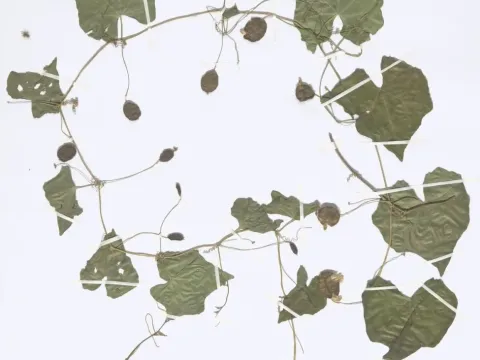
Melothria fluminensis
Melothria fluminensis
Melothria fluminensis is a heat-loving tropical vine, therefore in temperate climates, sowing should only occur once the risk of frost has completely passed.
What the section contains
Melothria fluminensis
For better results, it is recommended to use the seedling method, planting seeds in individual pots three to four weeks before the intended outdoor transplanting date.
The temperature range for germination must be maintained between 22 and 25 degrees Celsius, as the seeds are highly sensitive to colder soil temperatures.
In regions with long, warm summers, direct sowing in the ground is possible if the soil has warmed to at least 18 degrees Celsius, ensuring rapid germination.
Care must be taken to avoid planting the seeds too deep, with an optimal depth of about 1 to 2 centimeters to provide sufficient oxygen for the embryos.
Belonging to the Cucurbitaceae family, this species originates from the tropical forests of Brazil, which dictates its high requirements for humidity and soil fertility.
The plant thrives in sunny, wind-protected areas but can tolerate partial shade while maintaining vigorous vegetative growth throughout the growing season.
The soil should be light, rich in organic matter, and maintain a neutral or slightly acidic pH level to ensure efficient nutrient uptake for the vine.
Providing sturdy supports is mandatory, as the plant uses its tendrils to climb vertically, which improves air circulation around the developing fruits.
Regular irrigation is critical during the flowering and fruit-setting stages, as drought stress often leads to flower drop and poor overall yields.
Common pests affecting this crop include spider mites and aphids, which feed on the sap of tender leaves and can significantly weaken the vine's structure.
Excessive air humidity can lead to fungal issues such as powdery mildew or downy mildew, causing premature leaf yellowing and reduced photosynthetic efficiency.
To prevent disease outbreaks, it is essential to maintain spatial isolation from other members of the Cucurbitaceae family that may host similar pathogens.
Root rot remains a major threat in poorly drained soils or conditions with excessive moisture, especially during the early stages of plant development.
Proactive monitoring and the use of biological control agents are the most effective strategies to maintain plant health without compromising the quality of the fruits.
Fruits should be harvested at the technical maturity stage, once they reach the desired size but before they develop hard, woody seeds inside the pulp.
Frequent harvesting is key to encouraging the plant to produce new fruits continuously, extending the yield potential until the first cold autumn weather arrives.
Since the fruits mature rapidly, inspection of the vines every two to three days is necessary to prevent over-ripening, which can degrade the texture and flavor.
Handling the harvested produce requires care, as the delicate skin is prone to bruising, which negatively affects both market appearance and storage life.
While fresh storage in a cool environment is possible for short periods, pickling remains the most popular method for utilizing the harvest of this small cucurbit.