
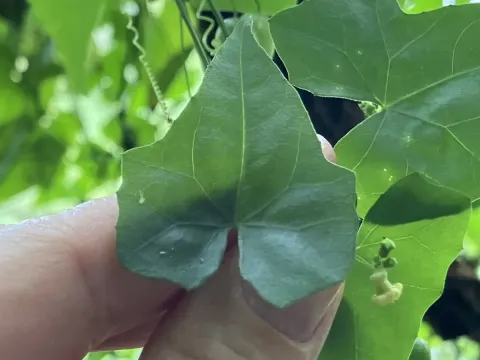
Melothria guadalupensis
Melothria guadalupensis
Melothria guadalupensis, commonly known as the creeping cucumber or mouse melon, is a tender perennial vine from the Cucurbitaceae family. In temperate climates, it is typically grown as an annual by starting seeds indoors in late March or early April.
What the section contains
Melothria guadalupensis
Transplanting seedlings to the garden should only occur once all danger of frost has passed and the soil has warmed sufficiently. This plant is highly sensitive to cold temperatures and will not thrive if planted too early.
If direct seeding, it is crucial to wait for established warm weather. Cold soil can cause the seeds to rot before they have a chance to germinate, leading to poor plant density and wasted effort.
Proper spacing is vital for the health of the plant, with a minimum of 40-50 centimeters between individual vines. This spacing allows for proper air circulation, which is essential to prevent fungal outbreaks.
Because it is a vigorous climber, Melothria requires sturdy trellises or netting for support. Providing a structure allows the vines to grow vertically, which maximizes garden space and ensures cleaner fruit.
This crop prefers full sun and locations protected from strong winds. While it can tolerate partial shade, maximum fruit production requires at least 6 to 8 hours of direct sunlight per day.
The soil should be fertile, well-draining, and rich in organic matter. A neutral to slightly acidic pH is ideal for the rapid growth of this vine, and incorporating compost before planting is highly recommended.
Consistent moisture is key to successful development. However, waterlogging should be avoided as it can cause root stress. Drip irrigation systems work best for maintaining the soil moisture level throughout the growing season.
Regular feeding with balanced organic fertilizers encourages strong vine growth. During the peak flowering and fruiting period, supplementing with potassium helps to increase the overall yield and fruit quality.
Melothria thrives in temperatures ranging from 20 to 30 degrees Celsius. Exposure to temperatures below 10 degrees Celsius can significantly stunt the growth and may lead to a complete cessation of flowering.
The yield of Melothria guadalupensis is quite impressive given the small size of the fruits. Plants typically begin to produce a significant harvest between 60 to 80 days after germination.
The vine continues to produce fruits steadily throughout the summer months until the first autumn frosts. Regular harvesting is essential to keep the plant in a state of continuous fruit set.
The fruits look like tiny watermelons, measuring about 2-4 centimeters, and possess a refreshing cucumber-like flavor with a hint of tartness. They are often eaten raw, added to salads, or pickled.
Pruning the lateral shoots can help redirect the plant's energy toward fruit production. Removing dead leaves or overcrowded branches ensures that the plant remains productive for a longer duration.
If managed correctly, a single plant can provide several kilograms of fruit. The ability to produce so much in a small space makes it a popular choice for vertical gardening enthusiasts.
Common pests include spider mites and aphids, which are particularly active in hot and dry conditions. Monitoring the underside of the leaves is a good practice for early detection and control.
Fungal diseases like powdery mildew and downy mildew can occur if the foliage remains damp or if there is insufficient airflow. Ensuring the plant is not overcrowded is the best preventative measure.
Root rot is often the result of excessive soil moisture or poorly drained soil. Symptoms include wilting of the vines even when the soil appears moist, which is a sign of an impaired root system.
Whenever possible, use biological control methods such as neem oil or insecticidal soaps to manage pests. Avoiding broad-spectrum chemical pesticides is important to maintain the safety of the fruit.
Keeping the area around the base of the plant free from weeds helps reduce the risk of pest habitat and disease transmission, promoting a cleaner growing environment for the vines.
Harvesting should be done frequently, ideally when the fruits reach 2-3 centimeters in size. Fruits harvested at this stage are the most tender and flavorful, without being overly seedy.
Use sharp scissors or shears to snip the fruits off the vine to avoid damaging the brittle stems. Harvesting in the cool of the morning helps maintain the post-harvest freshness of the produce.
Leaving fruits on the vine too long results in thicker, tougher skins and a less desirable taste. Frequent picking acts as a signal to the plant to focus on developing new tiny cucumbers.
The harvested fruits have a limited shelf life and should be consumed within a few days or refrigerated. They are particularly famous for their use in pickling, where their size and texture shine.
The harvest season concludes with the onset of cold weather. As soon as temperatures begin to drop significantly, remove all remaining fruits from the vines to avoid frost damage to the produce.