
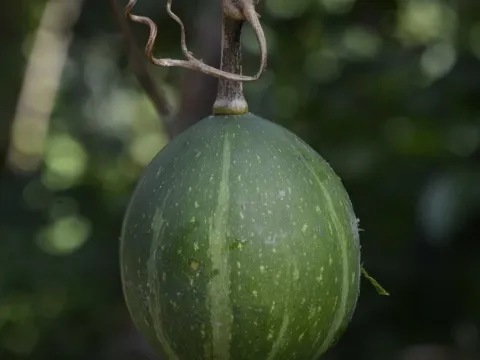
Martinez pumpkin
Cucurbita martinezii
The Martinez pumpkin (Cucurbita martinezii) is a wild species of the Cucurbitaceae family native to the mountainous regions of Mexico. Seeds of this species often require specific germination conditions, mimicking their natural habitat.
What the section contains
Martinez pumpkin
In the wild, germination is triggered by the onset of the rainy season, ensuring adequate moisture for initial seedling development. When cultivated for research, sowing should occur after all danger of frost has passed.
The germination period for this wild species can be irregular. Providing a consistent soil temperature of approximately 18–20 degrees Celsius is essential for achieving optimal emergence rates.
Preparing the planting area involves ensuring a well-drained soil structure, similar to the forest soils where these plants naturally grow. Incorporating organic matter into the planting holes helps stimulate robust seedling growth.
Seeds should be planted at a depth of 3 to 5 centimeters, depending on the soil moisture and texture. Once established, the seedlings require close monitoring to ensure proper leaf canopy development.
This crop has unique environmental requirements shaped by its mountain origin. It prefers sunny locations but can tolerate partial shade during the heat of the day, which helps in stress reduction.
The soil should be fertile and well-drained, maintaining a slightly acidic to neutral pH level. Proper drainage is crucial, as waterlogging is detrimental to the plant's root system.
Moderate temperature ranges are preferred, as this species is better adapted to cooler mountain climates than many lowland tropical squash varieties. Stability in climate is a key factor for development.
The plant produces long, sprawling vines that require significant horizontal space or sturdy trellises for vertical growth. Regular irrigation must be balanced with adequate airflow to prevent fungal issues.
The plant exhibits high genetic resilience, allowing it to survive in diverse ecological niches. This adaptive capacity is a primary reason it is considered a valuable resource in modern plant breeding.
The main advantage of the Martinez pumpkin is its high level of resistance to various fungal diseases, including powdery mildew. This trait is highly sought after for crossing with domesticated varieties.
Pests such as spider mites and aphids may occasionally attack the leaves, particularly in dry or indoor environments. Regular monitoring is recommended to prevent these populations from growing.
Root rot can occur if soil drainage is inadequate or if the plant is overwatered. Using biological fungicides is an effective strategy for preventing these soil-borne issues.
Viral infections transmitted by insect vectors can affect the health of the foliage. Managing the insect population on and around the crops is a standard protective measure.
Nematodes may cause damage to the root system if the species is grown in infested soil for multiple seasons. Following a strict crop rotation schedule helps maintain soil health and vigor.