
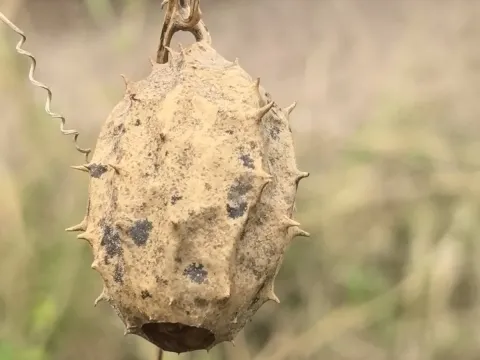
Luffa operculata
Luffa operculata
Luffa operculata is a tender annual vine of tropical origin, requiring a long growing season. In non-tropical regions, it must be started indoors to ensure success before the outdoor temperatures rise.
What the section contains
Luffa operculata
Sowing should take place in biodegradable peat pots, as the seedlings do not tolerate root disturbance well during the transplanting process to the main field.
Germination requires bottom heat maintained at 25 degrees Celsius to encourage fast development of the radicle and primary leaves in the early stages of the cycle.
The seedlings are ready for field transition once the soil temperature is consistently high and the danger of frost has passed completely in the spring season.
Proper hardening off of the young plants is essential to prepare them for the outdoor environment, preventing transplant shock and ensuring vigorous vegetative growth.
This crop thrives in deep, rich, and well-drained loamy soils. It has a high demand for organic matter, so incorporating compost before planting is a standard agronomic practice.
Full sun exposure is a non-negotiable requirement. Any shade will result in elongated stems, weak flowering, and a significant reduction in the quality and quantity of the fruit.
Vertical training is essential because the fruits need to hang freely to develop their characteristic structure and avoid contact with moist soil, which invites pathogens.
Watering management is critical during the fruit development phase. Consistent moisture levels prevent blossom end rot and fruit abortion, which are common issues in this species.
Wind protection is necessary to prevent the large leaves from tearing, which can reduce the photosynthetic capacity of the vine and weaken the overall plant vitality.
Aphids and spider mites are the most common pests that thrive in warm, dry weather. They tend to cluster on the undersides of leaves, causing chlorosis and plant stunting.
Downy mildew and powdery mildew are major fungal threats. These pathogens spread quickly in high humidity, often necessitating the use of targeted fungicides or neem oil treatments.
Bacterial wilt can be devastating to the vine, often transmitted by cucumber beetles. Once infected, the plant wilts rapidly and cannot be recovered through traditional irrigation.
Integrated pest management should focus on early detection, removal of infested foliage, and maintaining a clean growing area free of debris that hosts common pests.
Crop rotation is essential for long-term health; planting Luffa operculata in the same spot for consecutive years will inevitably lead to a buildup of soil-borne diseases.
Harvesting depends on the intended end-use of the fruit. For medical or technical applications, the timing must be precise to capture the specific stage of maturity.
The fruits are harvested by cutting the stem with shears rather than pulling them, which preserves the structural integrity of the vine and prevents stem decay.
Post-harvest handling involves placing the fruit in a ventilated area. Proper airflow is necessary to ensure the interior fibers reach the correct state for processing.
Care should be taken to avoid mechanical impact on the fruit skin during the harvest, as any bruising can introduce secondary infections that compromise the final product.
Storage should occur in a cool, dry environment with low humidity to preserve the biological compounds or fiber quality for future commercial or artisanal applications.