
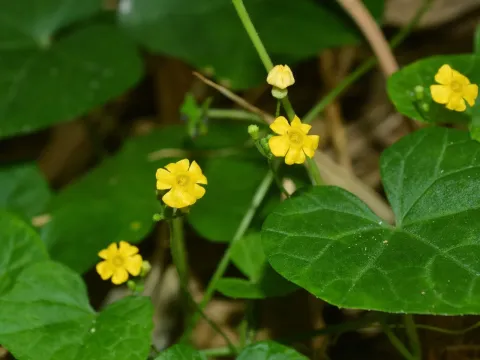
Melothria pendula
Melothria pendula
Melothria pendula is a tender annual that requires warm temperatures for germination and growth; therefore, it should only be sown after the threat of frost has passed.
What the section contains
Melothria pendula
Starting seeds indoors in small peat pots approximately four weeks before the last frost date can provide a significant head start for the growing season.
Seeds should be planted at a depth of about 1-2 centimeters in a well-draining soil mix, ensuring a consistent temperature of 20 to 25 degrees Celsius.
When transplanting seedlings outdoors, it is essential to minimize root disturbance to ensure that the plant establishes itself quickly in the new environment.
Spacing is crucial for this vigorous climber; planting seedlings at least 50 centimeters apart prevents overcrowding and allows for optimal light exposure.
As a member of the Cucurbitaceae family, Melothria pendula thrives in fertile, well-draining soils with a neutral or slightly acidic pH balance.
The plant is a climbing vine that naturally seeks vertical support; providing a trellis or fence is necessary to encourage healthy growth and maximize yield.
Consistent moisture is vital for the development of both the foliage and the small, cucumber-like fruits, especially during hot and dry summer spells.
The species requires a full-sun location to thrive, as shade-grown plants tend to produce fewer flowers and display weaker, thinner vine stems.
Regular maintenance, including light pruning of excessively long side vines, can help direct the plant's energy toward producing more fruit throughout the season.
Spider mites are common pests that thrive in dry environments and can cause significant damage to the plant's foliage if not monitored effectively.
Aphids can also colonize the growing tips and undersides of leaves, sucking plant juices and potentially spreading viral infections among the vines.
Powdery mildew is a frequent fungal issue, particularly when humidity levels are high and there is poor airflow around the vine's dense foliage.
Root rot, caused by overwatering or poorly drained soil conditions, poses a major threat to the plant's long-term health and must be strictly avoided.
Integrated pest management, including the use of neem oil or insecticidal soaps, is often recommended to maintain plant health without harmful residues.
Harvesting usually begins two months after planting, provided the environmental conditions have remained favorable for steady vegetative development.
The small, oval-shaped fruits should be picked while they are firm and bright, typically when they measure no more than 3 centimeters in length.
Frequent harvesting is highly encouraged as it signals the plant to continue producing new flowers and developing more fruit for future harvests.
The fruits have a crisp, refreshing flavor and are frequently used in fresh salads, pickling, or as an exotic decorative element in various dishes.
Care should be taken not to leave fruit on the vine until it is overly mature, as this can negatively impact the texture and culinary appeal of the crop.