
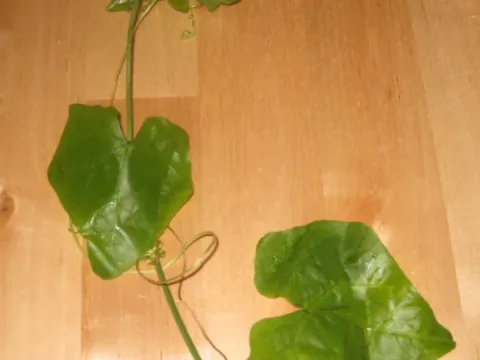
Melothria heterophylla
Melothria heterophylla
Melothria heterophylla is a perennial climbing plant belonging to the Cucurbitaceae family, known for its rapid growth and adaptability to warm climates.
What the section contains
Melothria heterophylla
The planting season begins when the risk of frost has completely passed and the soil temperatures consistently remain above 15 degrees Celsius.
Seeds can be sown directly in open ground or started in containers to establish strong seedlings before transplanting them to their final location.
Providing adequate spacing, at least 60 centimeters between plants, is essential to ensure proper ventilation and prevent overcrowding of the foliage.
Choosing a site with full sun exposure is critical for the plant to thrive and initiate the production of flowers and subsequent fruit sets.
This species requires well-drained, nutrient-rich soil with a slightly neutral pH level to optimize nutrient uptake and support its vigorous growth.
As a natural climber, Melothria heterophylla strictly requires sturdy vertical supports such as trellises or netting to elevate the vines from the ground.
Consistent moisture is necessary throughout the growing season; however, overwatering must be avoided to prevent root and crown rot issues.
Temperatures ranging from 22 to 28 degrees Celsius are ideal for peak metabolic activity and healthy development of the vine's structure.
Regular fertilization with balanced NPK nutrients helps maintain continuous production of fruits and supports the density of the climbing foliage.
The yield of Melothria heterophylla consists of both small, cucumber-like fruits and starchy, tuberous roots depending on the specific cultivation goal.
The fruits are prized for their refreshing flavor and are frequently utilized in culinary applications, similar to small gherkins or pickles.
Under optimal conditions, the plant is highly prolific, providing a steady supply of harvestable produce throughout the entire warmer season.
The yield potential is directly linked to the availability of sunlight and the efficiency of the trellis system used to hold the growing vine.
In various regions, the tuberous roots are also harvested as a secondary source of starch, adding agricultural value to this multi-purpose crop.
Spider mites and aphids are the most common pests that can infest the leaves, particularly during periods of low humidity or high temperatures.
Powdery mildew represents a significant fungal threat, causing white spots on leaves and reducing the overall photosynthetic capacity of the plant.
Fusarium wilt can affect the plant if grown in compacted or overly wet soils, leading to rapid yellowing and eventual death of the vines.
Integrated pest management strategies are recommended, including the use of organic neem oil or biological controls for early infestation signs.
Maintaining good garden hygiene and removing debris from previous seasons helps reduce the overwintering population of pathogens and pests.
Harvesting of the fruits should be performed daily or every other day to ensure they are picked at the optimal stage of crispness and flavor.
Using a sharp tool to snip the fruit stems prevents mechanical damage to the delicate vines, which could otherwise weaken the plant.
Post-harvest, the fruits should be stored in a cool, humid environment as they are prone to dehydration if left at room temperature for too long.
For those interested in the tuberous roots, the harvest is typically timed for the end of the growth cycle once the foliage has withered.
Proper sorting and cleaning of the tubers are necessary to maintain their quality and prevent rot during storage before they are prepared for consumption.