
Momordica balsamina
Momordica balsamina
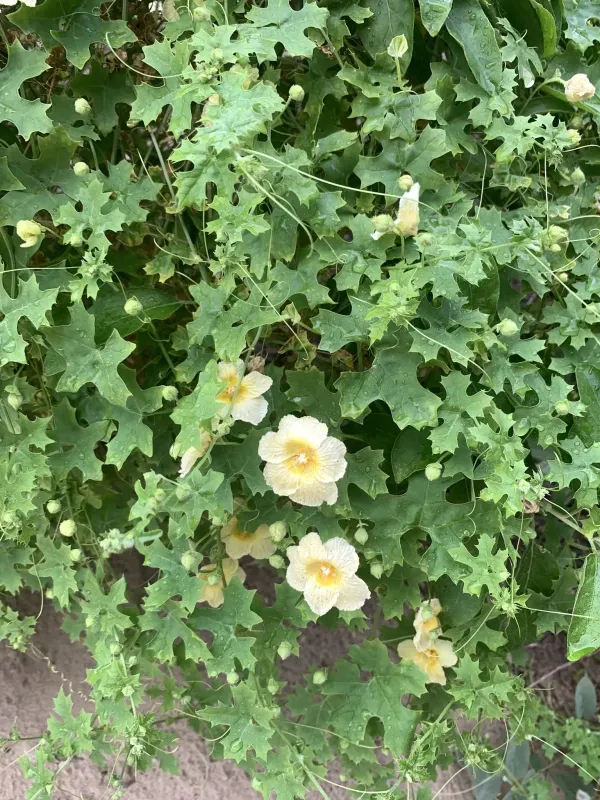
Description
Sowing dates
Momordica balsamina is an annual vine of the Cucurbitaceae family. Seeds should be sown outdoors only after the soil has warmed sufficiently, typically when temperatures consistently exceed 18 degrees Celsius.
For regions with shorter growing seasons, starting seeds indoors is recommended. Plant seeds in peat pots about four to six weeks before the last expected frost to ensure a robust plant structure.
The seeds have a hard seed coat, making scarification or soaking in warm water essential for uniform germination. Proper pre-treatment significantly increases the seedling survival rate during the initial growth phase.
Seed depth should be maintained at two to three centimeters in well-draining soil. Consistent moisture is vital during the germination period, though waterlogging must be strictly avoided to prevent seed rot.
Acclimatization is a crucial step before transplanting seedlings into the field. Gradually exposing the plants to outdoor conditions over a week helps them harden off and reduces transplant shock.
Growing requirements
This tropical vine requires high temperatures, ideally between 25 and 30 degrees Celsius, to thrive. Exposure to cold winds or temperatures below 15 degrees will cause significant growth stunting.
Soil quality is paramount for successful production. A fertile, humus-rich loam with excellent drainage is preferred, as the plant cannot tolerate stagnant water around its root system.
Regular irrigation is necessary to support the plant's rapid growth and heavy foliage production. Watering should be targeted at the base of the plant to keep the leaves dry and prevent fungal outbreaks.
As a climbing vine, Momordica balsamina requires sturdy vertical supports such as trellises or mesh. Providing a robust structure ensures proper ventilation and maximizes the plant's photosynthetic efficiency.
Nutrient management involves balanced fertilization during the vegetative growth phase and a shift towards potassium-rich fertilizers once flowering begins to encourage fruit set and development.
Yield
The fruits of the balsam apple are uniquely shaped, warty berries that turn a vibrant orange-red upon maturity. They are widely recognized for their therapeutic properties in traditional herbal medicine.
Harvesting should be done carefully as fruits reach physiological maturity. While mainly utilized for medical extracts, some cultures harvest young fruits for specific traditional dishes that require bitter flavoring agents.
Beyond its utility, the plant serves as an excellent ornamental for vertical greening. Its dense, dark green leaves and colorful fruits provide a visually striking contrast in garden settings.
Yield potential is directly linked to the amount of direct sunlight received and the quality of the soil. A single healthy vine can produce multiple fruits throughout a long, warm growing season.
Post-harvest handling is straightforward; however, fruits should be kept in a cool, dry place if not used immediately. The seeds are often saved for the following year's planting, provided they are dried thoroughly.
Main diseases and pests
The primary fungal threats to this crop include powdery mildew and anthracnose. These diseases thrive in humid conditions and can quickly compromise the health of the leaves and fruit surface.
Root rot remains a major risk in waterlogged soil conditions. If the drainage is poor, the roots quickly succumb to various pathogens, leading to the sudden collapse of the entire vine.
Pest pressures are usually driven by aphids and spider mites. These small insects congregate on the undersides of leaves, extracting nutrients and often serving as vectors for secondary viral infections.
Effective management involves early detection and the use of horticultural oils or organic insecticidal soaps. Maintaining proper plant spacing is essential to ensure adequate airflow and reduce pest colonization.
Crop rotation and field sanitation are effective preventive measures. Removing crop residues after the harvest season significantly reduces the buildup of disease spores and pest overwintering sites.