
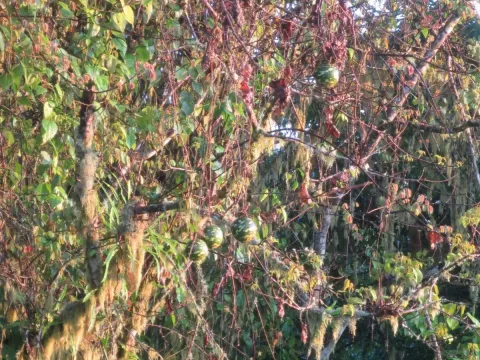
Lagenaria breviflora
Lagenaria breviflora
Sowing Lagenaria breviflora seeds requires soil temperatures of at least 15–18°C to ensure uniform germination. Due to its tropical origins, the transplant method is preferred in temperate zones to extend the growing season and maximize the harvest potential.
What the section contains
Lagenaria breviflora
Seeds should be planted in small pots 30–35 days before the expected frost-free date. It is essential to maintain a stable environment with ample light to prevent the seedlings from becoming leggy, ensuring they remain robust before being moved to their final location.
Greenhouses or cold frames are highly recommended for regions with shorter summers to protect the sensitive young plants from temperature fluctuations. Proper spacing is necessary to accommodate the rapid growth rate of these vines.
Pre-soaking seeds is a common agricultural practice that helps soften the thick outer coat, thereby improving the germination rate. Using biological stimulants can further strengthen the root system during the early establishment phase.
Transplanting into the open field must only occur once all danger of frost has passed. Planting in cold, damp soil can lead to physiological stress, stunted growth, and susceptibility to soil-borne pathogens.
Lagenaria breviflora, a member of the Cucurbitaceae family, thrives in sunny environments with fertile, well-draining soil. An ideal pH level should be slightly acidic to neutral to ensure optimal nutrient uptake throughout the growth cycle.
While the plant requires consistent moisture, avoiding waterlogged soil is crucial to prevent root rot. Efficient irrigation systems, such as drip irrigation, are ideal for providing the necessary moisture directly to the root zone without wetting the foliage excessively.
Trellising is highly beneficial for this species, as it keeps the fruit off the ground, which improves airflow and reduces the likelihood of fungal infections. Vertical growth also helps in managing the garden space more efficiently.
The optimal temperature range for active growth is between 22°C and 30°C. Persistent temperatures below this threshold can lead to reduced flowering and fruit set, which ultimately impacts the final yield quantity and quality.
The application of organic amendments, such as well-composted manure, provides a steady supply of nutrients. Balanced fertilization with essential micro-elements during the flowering stage is key to maintaining vigorous plant development.
Powdery mildew is a significant fungal threat, especially in humid conditions with poor air circulation. Regular monitoring and the removal of affected leaves can prevent the spread of the pathogen throughout the entire vine.
Root rot is frequently associated with poor drainage or excessive irrigation. Implementing a soil management plan that focuses on preventing standing water is essential for the long-term health of the plant.
Aphids and spider mites are common pests that feed on the sap of the leaves, potentially weakening the plant and transmitting diseases. Integrated pest management (IPM) strategies should be employed to control these insects effectively.
Slugs and snails can pose a threat to seedlings in the early growth stages. Protecting the base of the plant with physical barriers or eco-friendly deterrents is often necessary to ensure a high survival rate after transplanting.
Viral infections, often spread by insect vectors, can cause leaf mottling and stunted growth. The best line of defense is a combination of selecting high-quality seeds and rigorous pest control measures to stop the vectors.
Harvesting usually begins once the fruit reaches the desired size, which can vary depending on the specific use of the crop. For culinary or medicinal purposes, young and tender fruits are often preferred.
The maturity of the fruit is indicated by a change in texture and firmness of the rind. It is recommended to use sharp garden shears to avoid damaging the vine when cutting the fruit stems, rather than pulling them off by hand.
Post-harvest handling should involve keeping the fruit in a cool, dry place if it is not intended for immediate use. Proper ventilation during storage helps to prevent the onset of decay or mold development on the surface.
If the fruits are grown for decorative or utility purposes, they may be left to mature fully on the vine until the skin hardens significantly. This ensures better durability for post-harvest utility applications.
Regular harvesting of fruits throughout the season encourages the plant to continue flowering and producing new yields. This practice maximizes the overall productivity of the plant before the end of the growing season.