
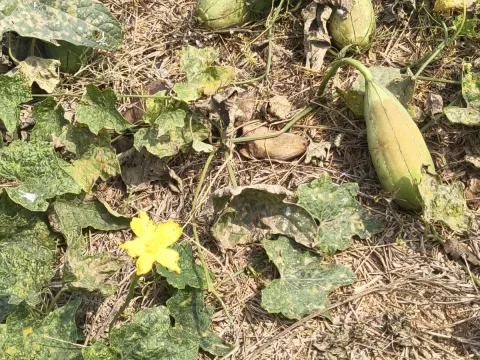
Luffa
Luffa
Luffa is a warm-season crop with a long growing season ranging from 150 to 200 days, making it essential to start seeds indoors in cooler climates.
What the section contains


Luffa
Seeds should be started 30 to 40 days before the anticipated transplant date to ensure the plant has a head start before being moved outside.
The seed coat is quite hard; soaking the seeds in warm water for 24 hours prior to planting significantly improves the germination rate.
Optimal germination occurs at temperatures between 25°C and 28°C. Cold soil or drafts can severely stunt development or cause the seeds to rot.
Transplanting should occur only after the risk of frost has passed and the soil has sufficiently warmed up, ensuring steady growth throughout the season.
Belonging to the Cucurbitaceae family, Luffa is a vigorous annual vine native to tropical regions, requiring ample heat and light to flourish.
These plants perform best in fertile, well-draining soil with a neutral pH level. Adding organic matter to the soil before planting is highly recommended.
Because of its vining nature, providing a robust trellis or sturdy fence is necessary to support the heavy fruit and maximize space in the garden.
Consistent moisture is key, but waterlogged soil must be avoided at all costs, as it leads to root diseases and inhibits overall plant vigor.
Position the plants in a location that receives full sun for the majority of the day to ensure the fruit matures properly before the autumn frosts.
Luffa serves a dual purpose: the young, immature fruits are edible and treated as summer squash, while the mature, dried fruits yield fibrous sponges.
The sponge is the dried, vascular network of the fruit, highly valued for its natural exfoliating properties and biodegradable nature in personal care.
A single well-cared-for plant can produce several high-quality fruits, with yield efficiency significantly improving in greenhouse environments or hot climates.
Beyond personal care, the seeds of the Luffa plant are processed to extract oil used in various industrial and cosmetic applications, adding value to the crop.
Proper harvesting and drying techniques are crucial to maximizing the quality and durability of the sponges produced from each individual fruit.
Common issues include powdery mildew and various fungal rots, which often develop during periods of high humidity and poor air circulation.
Aphids and spider mites are frequent pests that attack the foliage, necessitating regular monitoring and integrated pest management strategies.
Crop rotation is essential to prevent soil-borne pathogens from accumulating, especially when growing members of the same family in consecutive seasons.
Maintaining good spacing between plants allows for better airflow, which is a primary deterrent against the development of most fungal infections.
Using organic treatments for pests ensures that the harvested sponges remain free from harmful chemical residues for consumer safety.
For edible use, fruits should be harvested young, typically when they reach 15–20 cm in length, before the internal fibers start to toughen.
When intended for sponge production, fruits must stay on the vine until the skin turns yellow-brown and the fruit feels significantly lighter.
After harvesting, the gourds should be left to cure in a dry, well-ventilated area until the outer skin becomes brittle and easy to peel off.
Final processing involves shaking out the seeds, soaking the sponge in water to remove remaining tissue, and drying it thoroughly under the sun.
A properly processed Luffa sponge should be firm, flexible, and free of discoloration, ensuring it remains sanitary for its intended long-term use.