
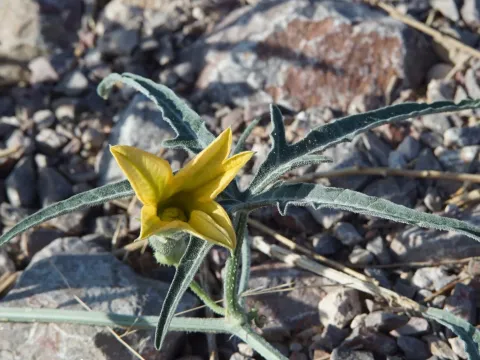
Cucurbita digitata
Cucurbita digitata
Cucurbita digitata, commonly known as the finger-leaved gourd, requires warm soil temperatures for successful germination, typically exceeding 18 degrees Celsius.
What the section contains
Cucurbita digitata
Direct seeding should only occur after all risks of frost have passed, as the seedlings are highly sensitive to cold damage during their initial growth stages.
In regions with shorter growing seasons, starting the plants indoors in biodegradable pots is a viable strategy to ensure a more robust root system before transplanting.
The seeds should be placed at a depth of 3 to 5 centimeters in well-drained, nutrient-poor soil, reflecting the plant's natural adaptation to arid environmental conditions.
Sufficient spacing between plants is mandatory, as this species develops extensive trailing vines that require significant surface area for optimal photosynthetic activity.
This species belongs to the Cucurbitaceae family and is specifically adapted to desert and semi-arid climates, showcasing remarkable drought tolerance due to its deep taproot.
It thrives in sandy, well-draining soils with a neutral pH, and it is highly intolerant of waterlogged conditions which can lead to rapid decay of the vascular system.
Full sun exposure is an absolute requirement for Cucurbita digitata; even partial shade significantly impedes its reproductive development and biomass accumulation.
The plant is highly resilient to high temperatures and intense ultraviolet radiation, making it an ideal candidate for research into arid-land crop diversification strategies.
Minimal moisture supplementation is needed once the plant is established, as its physiological mechanisms are optimized for utilizing sparse seasonal water sources efficiently.
Fungal pathogens such as powdery mildew are common threats, especially when relative humidity levels fluctuate unexpectedly in an otherwise dry habitat.
Spider mites are the most prominent pests, thriving in the same hot and dry microclimates that the plant itself prefers, often leading to significant foliage chlorosis.
Viral infections, often transmitted by aphid vectors, can severely stunt the growth of the vines and are particularly difficult to manage in wild or semi-cultivated populations.
Root rot caused by pathogenic fungi can occur if the drainage conditions are not maintained according to the plant's specific physiological tolerances.
Effective management strategies emphasize early detection through regular scouting and the use of targeted biological controls to prevent widespread damage across the planting area.
The harvest period for Cucurbita digitata is dictated by the physiological maturity of the fruit, typically marked by the hardening of the rind and the drying of the peduncle.
Due to the high concentration of toxic compounds like cucurbitacins, the fruit is not edible for human or livestock consumption, limiting its use to botanical and chemical research.
Post-harvest handling focuses on the careful extraction of seeds, which requires cleaning the pulp residue thoroughly to prevent microbial growth during the drying process.
Seeds should be stored in a cool, dry environment to maintain long-term viability, as they are the primary product of interest for researchers and conservationists alike.
The fruit surface must remain undamaged during collection to prevent secondary pathogen colonization, which could compromise the health and genetic quality of the seeds extracted.