
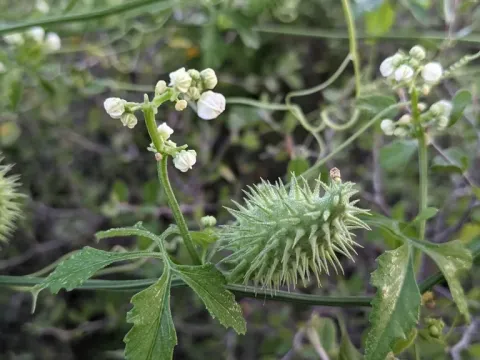
Cyclanthera
Cyclanthera
Cyclanthera is a heat-loving annual vine that thrives in warm climates. In temperate regions, it is best started indoors as seedlings 3 to 4 weeks before the last expected frost to ensure a long enough growing season.
What the section contains


Cyclanthera
The seeds should be sown in individual pots, ensuring the soil temperature remains around +20°C for optimal germination. Soaking seeds in water for 24 hours prior to planting can help soften the tough seed coat.
Transplanting into the garden should only occur once all danger of frost has passed and the soil has warmed up significantly. Cyclanthera is very sensitive to cold temperatures and will suffer stunted growth if exposed to chilly conditions.
Space the plants at least 60 to 90 cm apart, as the vines are vigorous and can easily reach several meters in height when provided with adequate support.
If direct sowing is preferred in warmer zones, ensure that the soil is thoroughly prepared and that the risk of late frosts is non-existent, as seedlings are quite delicate during their first weeks.
Belonging to the Cucurbitaceae family, Cyclanthera is a hardy climber native to the tropical regions of Central and South America. It requires a sunny, sheltered location with protection from strong, cold winds.
The plant thrives in fertile, well-draining soil with a neutral pH. It is essential to ensure that the site does not have waterlogging issues, as this can lead to root rot and other fungal problems.
Vertical support is mandatory for this crop; robust trellises, fences, or netting must be installed before the plants start producing long, grasping tendrils to climb.
Consistent watering is crucial for healthy development, especially during flowering and fruit setting. However, it is advisable to water the soil at the base of the plant rather than overhead to keep the foliage dry.
Regular feeding with a balanced fertilizer or compost application during the growing season will significantly boost the vine's productivity and overall health.
Cyclanthera is highly productive and can yield hundreds of fruits per plant in a single season. The fruit is hollow, shaped somewhat like a small cucumber, and is prized for its culinary versatility.
The fruit's yield is largely dependent on the presence of pollinators. Growing the vine in an open area accessible to bees and other insects ensures better fruit set compared to protected or enclosed environments.
The plant begins to bear fruit in late summer and continues producing steadily until the first autumn frost kills the vine. Regular harvesting is key to maintaining continuous production.
Individual fruits are lightweight, typically ranging from 5 to 20 grams. The total harvest weight can be substantial, often requiring frequent monitoring to catch fruits at their peak edible stage.
Proper pruning of side shoots can further improve yield by focusing the plant's energy on fruit production rather than excessive foliage, ensuring better airflow throughout the canopy.
The most common disease affecting Cyclanthera is powdery mildew, which often appears in late season or during periods of high humidity. Improving air circulation and avoiding dense planting helps prevent this.
Spider mites are the primary pest concern, particularly during hot and dry spells. These pests colonize the undersides of leaves and can cause significant damage if left untreated.
Aphids may occasionally attack the tender growing tips of the vine, potentially causing leaf curling. Regular inspection and the use of insecticidal soaps are usually effective control methods.
Practicing good garden hygiene, such as removing weeds and cleaning up plant debris, is essential for minimizing pest and disease pressure around the climbing vines.
It is important to avoid chemical pesticides whenever possible to protect the beneficial insects that visit the flowers, as natural balance is key for a healthy crop.
The harvest should be conducted frequently, ideally every 2 to 3 days, as the fruits develop very quickly once they have set. Picking them at a young, tender stage is essential for flavor.
Fruits harvested when they are too large or mature will become tough and develop bitter, hardened seeds. Therefore, monitoring the size and texture of the fruit on the vine is highly recommended.
Use garden shears or scissors to harvest the fruits to avoid damaging the vine's delicate stems, which can snap if the fruits are pulled directly by hand.
Once picked, Cyclanthera fruits have a limited shelf life and are best consumed within a few days. They are popularly used in various culinary dishes, often being stuffed or stir-fried.
For seed saving, allow a few of the best-looking fruits to remain on the vine until they turn yellow and begin to dry out. The mature seeds can then be extracted, cleaned, and stored in a cool, dry place for next season.