
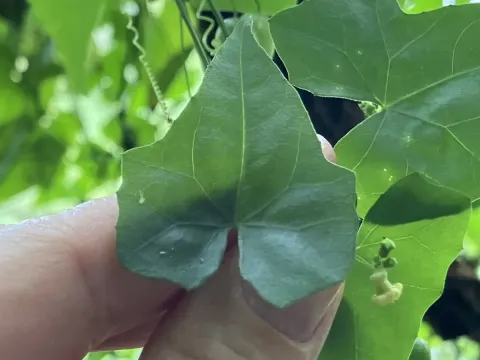
Cucumeropsis
Cucumeropsis
Cucumeropsis seeds are sown directly into the soil once it has warmed up sufficiently and the risk of late frosts has passed. The optimal time for planting usually falls between late spring and early summer, depending on the climatic zone.
What the section contains

Cucumeropsis
Seeds should be planted at a depth of 3 to 5 centimeters to ensure good contact with moist soil and successful germination. Rows should be spaced at least 1–1.5 meters apart, as the plant develops vigorous vines that require significant space to spread.
Pre-soaking the seeds in warm water for a few hours prior to planting is recommended to accelerate germination. This practice helps the seed imbibe moisture and activates enzymes essential for rapid early growth.
In subtropical climates, staggered planting is possible to ensure a prolonged harvest period. Maintaining consistent soil moisture during the germination phase is a critical factor for achieving uniform and vigorous seedling emergence.
Farmers in less optimal conditions often use mulch immediately after sowing. This helps maintain stable soil temperatures in the root zone and prevents excessive moisture evaporation during the critical early stages of development.
Cucumeropsis belongs to the Cucurbitaceae family and is a heat-loving vine. It has high temperature requirements, needing conditions consistently above 20–25 degrees Celsius for optimal vegetative growth and development.
The plant prefers well-drained, fertile loamy or sandy-loam soils with a neutral or slightly acidic pH. Avoiding waterlogged sites is essential, as the root system is highly sensitive to oxygen deficiency caused by excess moisture.
This crop is heliophilic, meaning it requires full sun exposure for maximum productivity. Areas receiving direct sunlight throughout the day are preferred, as shading significantly reduces the rate of photosynthesis.
Agronomic management requires the incorporation of organic matter, such as compost or well-rotted manure, prior to plowing or tilling. This ensures a steady nutrient supply throughout the active fruiting phase of the plant.
Special attention should be given to protecting the plants from strong winds, which can damage the large leaves and brittle vines. In humid regions, ensuring adequate airflow between plants is necessary to reduce the risk of disease.
The economic value of Cucumeropsis is primarily found in its seeds, which are rich in high-quality vegetable oils and protein. Yield is heavily dependent on soil fertility and the level of agronomic care provided during the season.
When managed properly, the plant produces fruits that resemble small melons or pumpkins. These fruits contain a large volume of seeds, which are the primary target product for both local consumption and processing industries.
Yield is measured by the mass of dry, cleaned seeds per hectare. Under favorable conditions and intensive management, yields can be substantial, comparable to other high-value oilseed cucurbit crops.
Productivity is directly linked to pollinator activity during the flowering period. To maximize fruit set, it is recommended to encourage honeybee activity or employ hand-pollination methods in larger plantations.
Following harvest, seeds must be processed promptly by drying and cleaning to remove pulp residue. Proper post-harvest handling ensures long-term storage viability and preserves the nutritional quality of the oil within the seeds.
Like most members of the Cucurbitaceae family, Cucumeropsis is susceptible to powdery mildew, especially in high-humidity or high-temperature conditions. Preventive measures include crop rotation and maintaining adequate spacing.
Aphids pose a significant threat by damaging young shoots and leaves, feeding on plant sap. Such infestations not only weaken the plant but can also serve as vectors for viral diseases that significantly diminish overall yields.
Root rot is a major risk factor if irrigation management is poor or if the soil drainage is inadequate. Preventive soil treatments and constant monitoring of the field’s drainage system are highly recommended.
Insect pests that target the fruit can compromise seed quality. Integrated pest management strategies, combining biological controls and judicious use of plant protection products, are the best approach for long-term health.
- Regular field inspections to monitor for early signs of disease.
- Prompt removal and destruction of infected plant material to prevent spore spread.
- Sourcing high-quality, certified seeds for planting.
Harvesting begins when the fruits reach full maturity, indicated by a characteristic change in skin color and the drying of the fruit stem. Early harvesting leads to underdeveloped seeds and significantly lower oil content.
After picking, the fruits are often allowed to cure for a short period, which helps improve the separation of seeds from the fibrous pulp. This step is critical for ensuring the quality of the final commercial product.
Seed extraction is performed manually or mechanically. Once extracted, the seeds must be thoroughly washed in clean water to remove any residual pulp that could cause spoilage or mold growth during storage.
Drying is carried out in well-ventilated areas or specialized drying equipment at controlled temperatures. Avoiding overheating is crucial, as excessive heat can break down the beneficial fatty acids found in the seed oil.
The final product is stored in breathable natural fabric bags to ensure proper air circulation. Storage facilities should be kept dry, cool, and protected from rodents and direct sunlight to maintain seed longevity.