
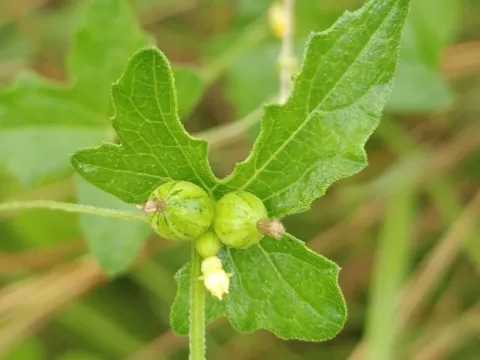
Cucumis maderaspatanus
Cucumis maderaspatanus
Cucumis maderaspatanus is a botanical species belonging to the Cucurbitaceae family. Originating from the tropical and subtropical regions of Asia and Africa, this climbing plant is often characterized by its high adaptability to varying environmental conditions within its native range.
What the section contains
Cucumis maderaspatanus
Cultivation requires well-drained, nutrient-rich soil to ensure optimal development. While it is tolerant of various soil textures, a neutral pH level is preferred for maximizing nutrient uptake, which directly influences the overall health and vigor of the vine.
The plant thrives in warm climates with temperatures consistently above 20 degrees Celsius. It is highly sensitive to frost, which makes it suitable primarily for warm-season cultivation or specialized greenhouse environments in more temperate latitudes.
Agricultural management includes providing structural support for the vines, as the plant is a vigorous climber. Proper pruning and thinning of dense foliage help improve air circulation, which is vital for reducing humidity-related stress and potential disease outbreaks.
The economic value of Cucumis maderaspatanus lies in its potential use in traditional herbal medicine and as a niche agricultural product. Research into its drought-tolerant properties continues to make it a subject of interest for breeders seeking to improve crop resilience.
Powdery mildew is the most common fungal disease affecting this crop, particularly in damp environments with poor airflow. Preventative applications of fungicides are recommended to keep the infection from spreading throughout the planting.
Aphid infestations can occur during the peak growth season, damaging tender young shoots and leaves. Farmers should monitor plants closely and employ integrated pest management strategies, including the use of predatory insects for biological control.
Root-knot nematodes pose a significant risk in areas with sandy soils, which can lead to stunted growth and reduced fruit yield. Soil sterilization or the use of resistant cover crops during rotation cycles are effective mitigation strategies.
Spider mites are prevalent in arid conditions, especially when the plant is kept in a sheltered, dry environment. Maintaining consistent soil moisture and occasional misting can discourage the development of these pests.
Fruit flies may target ripening fruit, necessitating the use of physical barriers like netting to protect the harvest. Maintaining a clean field free of fallen, decaying fruit is also crucial to minimize the attraction of these pests.