
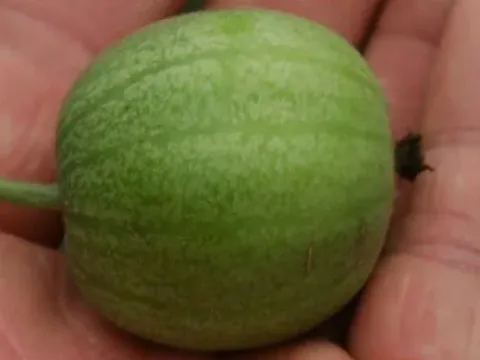
Cucurbitella
Cucurbitella
Cucurbitella is a genus of herbaceous plants belonging to the Cucurbitaceae family. These plants are primarily native to South American regions, where they thrive in tropical climates with stable temperatures and moderate rainfall throughout the growing season.
What the section contains

Cucurbitella
The sowing process requires warm soil temperatures, ideally between 20 and 25 degrees Celsius, to ensure rapid germination. Cold soil conditions frequently result in seed dormancy or the death of the embryo due to fungal pathogens.
In commercial practice, seeds are often sown in specialized biodegradable pots to prevent transplant shock. Cucurbitella has a delicate root system that does not tolerate root disturbance well during the transfer from greenhouse to open field conditions.
Optimal spacing is crucial to prevent foliage overlap, which inhibits photosynthesis and increases the risk of disease spread. Providing sufficient room for the sprawling vines to develop ensures a healthier canopy and better airflow.
The planting site should be selected for high solar radiation exposure. While some protection from strong winds is beneficial, full sun is necessary for the plant to achieve its maximum metabolic potential during the vegetative phase.
Soil quality must be prioritised, as Cucurbitella demands high levels of organic matter. Integrating well-rotted compost into the soil profile prior to planting is recommended to support continuous growth and nutrient availability.
Moisture management must be precise. The soil should remain consistently moist but well-drained, as waterlogged conditions lead to root asphyxiation. Drip irrigation is the preferred method for supplying hydration directly to the root zone.
Nutrient requirements are significant during the development of the reproductive organs. A balanced approach using nitrogen-phosphorus-potassium (NPK) fertilizers, adjusted to the specific growth stage, is necessary for achieving optimal plant health.
Regular maintenance, including weeding and mulching, plays a vital role in preventing nutrient competition. Organic mulches, such as straw, help maintain soil temperature stability and conserve soil moisture during hotter periods.
pH levels of the soil should be monitored, with a target range of 6.0 to 7.0 being optimal for nutrient uptake. Soil amendments like agricultural lime or sulfur may be used to adjust the acidity level if initial soil testing indicates a deviation.
Powdery mildew is the most prevalent threat to the foliage of Cucurbitella. Proper plant spacing and avoiding overhead irrigation are fundamental cultural practices that significantly reduce the incidence of this fungal disease.
Pests such as aphids and spider mites can rapidly infest the undersides of the leaves. Early intervention through the use of organic insecticidal soaps or biological control agents can mitigate damage without affecting beneficial insect populations.
Bacterial wilt, transmitted by certain beetle species, poses a severe risk to the vascular system of the plant. Monitoring for early signs of wilting and managing insect vector populations are essential steps for crop protection.
Root rot, driven by soil-borne pathogens like Pythium or Phytophthora, is typically a result of poor soil drainage. Improving soil structure and avoiding excessive irrigation are the primary preventive strategies against such infections.
Regular scouting of the fields is essential to detect pest outbreaks or disease symptoms at the earliest possible stage. Maintaining detailed records of these observations helps in refining the integrated pest management plan for future seasons.