
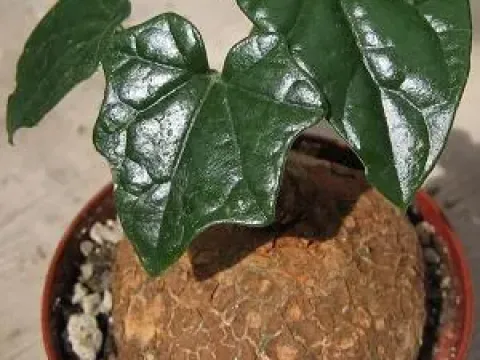
Cyclantheropsis
Cyclantheropsis
Cyclantheropsis is a genus belonging to the Cucurbitaceae family. These are perennial herbaceous vines or semi-shrubs characterized by tendrils that allow the plant to climb effectively on supporting structures.
What the section contains


Cyclantheropsis
Native to the tropical regions of Africa and the Indian Ocean islands, this plant thrives in well-lit areas with well-drained soils, often inhabiting forest edges and shrublands in its natural environment.
The crop has specific temperature requirements for optimal development, generally ranging from +22°C to +28°C. It is highly sensitive to frost, which makes greenhouse cultivation necessary in temperate zones.
Soil requirements include loose, fertile substrates with a neutral or slightly acidic pH. Proper drainage is essential to prevent waterlogging, which significantly increases the risk of root rot and other fungal diseases.
Cultivation practices require the installation of sturdy trellises. Due to its vigorous vegetative growth, regular pruning of lateral shoots is recommended to promote better aeration and focus the plant's energy on fruit production.
Major threats to Cyclantheropsis include common cucurbit diseases such as powdery mildew and anthracnose. These typically arise under conditions of high humidity and poor air circulation.
The most significant pests are spider mites and aphids. These insects feed on the sap of young leaves and shoots, leading to stunted growth, leaf deformation, and a decline in overall plant health.
Disease management involves the use of biological fungicides during the early stages of infection. It is also important to practice overhead irrigation caution, keeping foliage dry to inhibit fungal spore germination.
In cases of heavy pest infestation, gentle systemic insecticides are recommended. Proactive monitoring, especially on the undersides of leaves, remains the most effective way to catch outbreaks early.
Nitrogen management is crucial; excessive nitrogen fertilization creates tender, succulent growth that is significantly more susceptible to attacks by aphids and other sucking insects.