
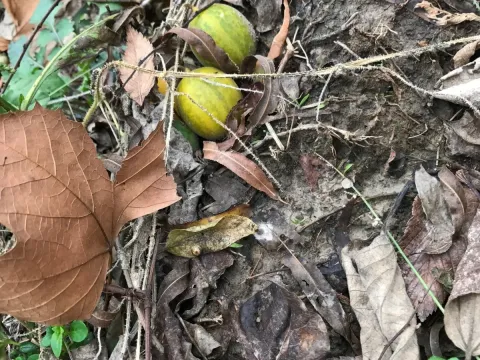
Cucumis callosus
Cucumis callosus
Cucumis callosus is a wild, perennial herbaceous plant belonging to the Cucurbitaceae family, widely known for its exceptional adaptation to arid environments.
What the section contains
Cucumis callosus
Native to regions in South Asia and parts of Africa, this plant has evolved to thrive in desert and semi-desert climates with very limited rainfall.
The plant thrives best in well-drained, sandy soil types, demonstrating high tolerance to soil salinity and harsh edaphic conditions found in its native habitat.
Climatic requirements focus on high solar radiation and consistently warm temperatures, which are essential for its vigorous vegetative growth cycle.
Its complex and deep-reaching root system acts as a biological mechanism to access deep soil moisture, allowing the plant to survive extended periods without rain.
The fruits of Cucumis callosus are characterized by a bitter taste due to the presence of cucurbitacins, which often necessitates specific processing for consumption.
Its primary economic value lies in plant breeding, as it provides a robust genetic pool for creating drought-resistant cultivars of domesticated cucumbers.
In traditional medicine practices, various parts of the plant are utilized for their potential health-promoting properties, although scientific validation is ongoing.
The crop's yield in the wild is relatively low, focusing on survival and seed dispersal rather than the biomass accumulation observed in modern agricultural crops.
Beyond human use, the plant serves as a vital forage resource for desert wildlife and local livestock during the dry seasons when other vegetation is scarce.
Powdery mildew is the most common fungal disease affecting this species, particularly in regions where humidity levels fluctuate significantly during the growing season.
Spider mites represent a major threat during peak heat, as they tend to infest leaves and suck sap, leading to stunted plant growth and leaf yellowing.
Root rot remains a concern if the plant is grown in areas with poor drainage or excessive irrigation, as the species is highly susceptible to waterlogged conditions.
Aphid infestations are frequently observed on young stems and developing fruits, potentially acting as vectors for viral diseases that can destroy the population.
Integrated pest management strategies are recommended, focusing on maintaining plant health and utilizing natural predators to control mite and aphid populations.