
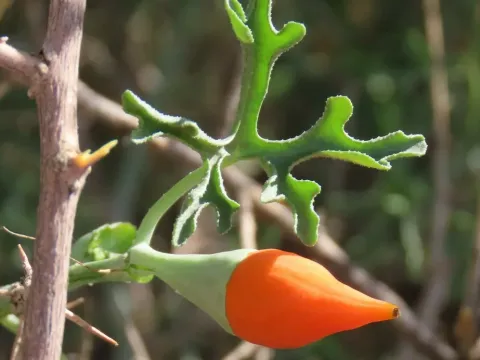
Corallocarpus
Corallocarpus
Sowing Corallocarpus seeds should occur during the spring when temperatures are consistently warm. Maintaining a temperature range between 22–25 degrees Celsius is essential for optimal germination.
What the section contains


Corallocarpus
The seeds require a well-draining, sandy substrate to prevent early decay. It is recommended to bury seeds about 1 cm deep and keep the substrate slightly moist but not waterlogged.
Using bottom heat can significantly accelerate the germination process. Under these conditions, the first sprouts usually appear within two to four weeks of sowing.
Once the seedlings develop their first true leaves, they should be carefully transplanted into individual pots. Minimizing root disturbance is crucial at this early developmental stage.
Space the plants adequately to ensure good airflow. Proper spacing prevents the moisture accumulation that can lead to damping-off disease in young seedlings.
Corallocarpus belongs to the Cucurbitaceae family and is known for its distinctive caudex structure. These plants are native to arid regions of Africa and the Arabian Peninsula.
The plant thrives in bright, indirect sunlight. While it appreciates high light levels, intense afternoon sun may damage the delicate stem tissue of certain species.
A specialized soil mix is required, consisting mostly of coarse sand, perlite, and a small portion of mineral-based potting soil. This mix ensures excellent aeration.
Watering practices must be strictly controlled. During the growing season, water sparingly, and ensure the soil dries out completely between waterings to mimic natural cycles.
During the winter dormancy period, the plant requires little to no water. Keeping the caudex dry and the temperature around 15 degrees Celsius helps ensure a healthy transition.
The most significant threat to Corallocarpus is fungal decay caused by excessive moisture. Rot can quickly spread through the caudex, which is difficult to treat once advanced.
Pests like spider mites and mealybugs are common, particularly in dry indoor environments. These insects target the new growth and can weaken the plant significantly.
Integrated pest management, including regular inspection and the use of suitable insecticides, is necessary to maintain plant health. Always isolate new or infested plants.
Proper sanitation is vital; remove any dead plant material immediately to prevent the spread of spores. Ensure good ventilation to keep the humidity levels low around the base.
If rot is detected, surgery on the plant is possible. Carefully remove the decayed sections with a sterile knife, apply an antiseptic, and let it heal before repotting.