
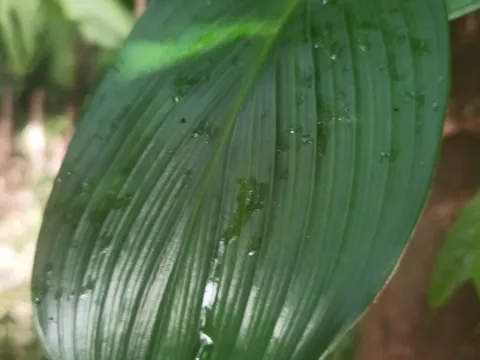
Costus plicatus
Costus plicatus
Costus plicatus is a perennial herbaceous plant belonging to the Costaceae family. In its natural habitat, it grows in the tropical forests of Central and South America, preferring moist and shaded areas beneath the forest canopy.
What the section contains
Costus plicatus
The crop requires consistently high air temperatures and is intolerant of frosts or sudden temperature fluctuations. The optimal temperature range for active growth is between +22 and +28 degrees Celsius.
For successful development, the plant needs light, fertile soil with excellent drainage and a slightly acidic pH. A critical factor is maintaining a constant high level of substrate moisture without the risk of waterlogging the root system.
The plant shows a high demand for lighting; however, direct sunlight can cause burns on its large, pleated leaves. Ideal placement includes greenhouses or shaded areas with bright, diffused light.
In indoor conditions, regular leaf misting and maintaining humidity at 70-80 percent are required to prevent leaf curling and maintain plant vigor.
The primary pests affecting this crop include spider mites and scale insects, which proliferate rapidly under conditions of low air humidity.
Mealybugs also pose a significant threat, especially when plants are kept in crowded, poorly ventilated areas with high humidity levels.
Among fungal diseases, various types of root rot are the most common, resulting from overwatering or low temperatures in the root zone.
Leaf spot diseases may appear due to irregular watering or poor air circulation, necessitating prompt treatment with systemic fungicides.
For effective prevention, it is essential to regularly inspect the undersides of the leaves and ensure the plant has enough space for proper airflow.