
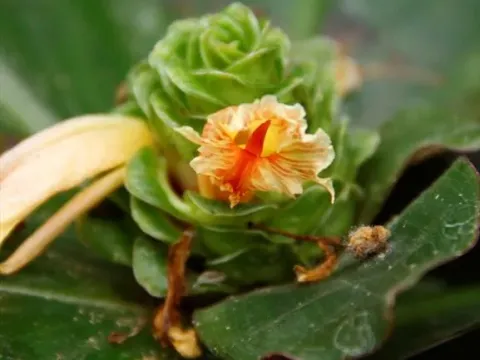
Costus varzeanum
Costus varzeanum
Costus varzeanum is a distinct member of the Costaceae family, native to the tropical rainforests of South America. This perennial herb is well-adapted to high-humidity environments found in understory habitats where light is filtered and diffuse.
What the section contains
Costus varzeanum
The plant thrives in temperatures ranging from 22°C to 28°C. Consistent thermal conditions are vital, as extreme fluctuations can cause significant physiological stress, often leading to stunted growth or dormancy during the peak growing season.
Soil requirements for this crop include a well-draining, nutrient-rich substrate with high organic matter content. Maintaining an acidic to slightly acidic soil pH is essential for the efficient uptake of micro and macronutrients by the root system.
Irrigation management is a cornerstone of Costus varzeanum production. While the crop requires constant moisture, it is imperative to prevent waterlogging, which can rapidly lead to root hypoxia and subsequent decline in plant vigor.
The botanical structure of the plant features sturdy, spiraling stems that contribute to its structural integrity. Understanding the plant’s habit, including its rhizomatous growth pattern, is key to successful propagation and spacing in an agricultural setting.
Spider mites are the most prevalent pests encountered in the greenhouse cultivation of Costus varzeanum. These pests thrive in dry environments, making humidity control the primary cultural method for preventing major infestations.
Fungal pathogens such as Pythium and Rhizoctonia pose a severe threat to the root system. These soil-borne diseases are typically associated with poor drainage and excessive soil moisture, which allow pathogens to proliferate and destroy root tissue.
Scale insects can also colonize the stems and leaf axils, causing sap depletion and attracting secondary infections. Manual removal or the application of horticultural oils is effective for managing minor outbreaks on individual plants.
Leaf spot diseases can occur during periods of high humidity and poor ventilation. Ensuring adequate spacing between plants and maintaining a clean growing environment are critical measures to reduce the incidence of leaf-surface pathogens.
Integrated pest management (IPM) practices should be employed to maintain crop health. This includes the use of sticky traps for insect monitoring and strict sanitation protocols for all tools and equipment used during cultivation cycles.