
Costus osae
Costus osae
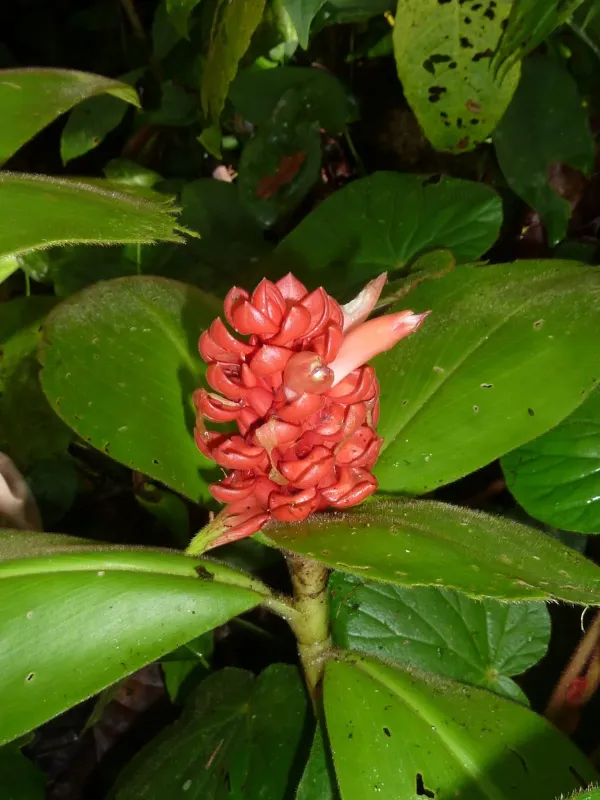
Description
Growing requirements
Costus osae is a perennial herbaceous plant belonging to the Costaceae family. It originates from the tropical rainforests of Central America, primarily found in Costa Rica and surrounding regions.
This species thrives in high-humidity environments. For optimal growth, it requires partial shade, as direct sunlight can easily damage its large, lush leaves during the hottest hours of the day.
The soil should be rich in organic matter, slightly acidic, and well-draining. Waterlogged conditions must be avoided, although the plant enjoys consistently moist soil throughout the growing season.
Temperature management is crucial, as Costus osae is not frost-tolerant. It performs best in warm, stable climates where temperatures range between 20 and 28 degrees Celsius.
Cultivation practices involve regular fertilization with balanced nutrients and the application of mulch to preserve soil moisture and regulate temperature fluctuations in the root zone.
Yield
In terms of agricultural and horticultural use, Costus osae is primarily cultivated for its high ornamental value. It is a sought-after species for tropical landscaping and private botanical collections.
The yield of this crop is represented by the successful propagation of rhizomes and stems. Healthy plants can produce multiple offsets, making it a viable crop for nurseries.
The flowering process is the peak of the plant's production cycle. Its cone-shaped, vibrant inflorescences are highly valued in the decorative plant market for their exotic appearance.
Proper agronomic care, including sufficient spacing and nutrient management, ensures high-quality plants that meet commercial standards for indoor and outdoor display.
Effective propagation methods allow for the steady production of new specimens, sustaining the commercial lifecycle of the plantation over several years.
Main diseases and pests
Fungal infections represent the primary threat to the health of Costus osae, especially in environments with poor air circulation and excessive humidity levels.
Pests such as spider mites and mealybugs can pose significant risks, particularly when the ambient humidity is not adequately maintained, stressing the plant.
Integrated pest management, including the use of mild soaps or systemic insecticides, is recommended to mitigate the impact of infestations on leaf quality.
Root rot is a persistent threat if the drainage system is compromised. Maintaining a strict watering schedule is the best preventative measure against soil-borne pathogens.
Regular monitoring of the foliage and root zones helps in early detection of issues, allowing for rapid intervention and the preservation of the plant's aesthetic and biological integrity.