
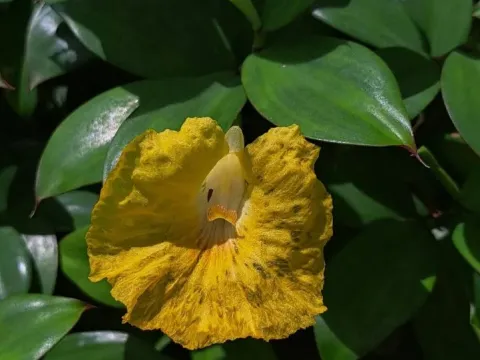
Costus cuspidatus
Costus cuspidatus
Costus cuspidatus, commonly known as the insulin plant, belongs to the Costaceae family. It is a perennial plant characterized by its spirally arranged leaves and potential for significant medicinal use in pharmaceutical applications.
What the section contains
Costus cuspidatus
The plant originates from Brazil and thrives in tropical environments. It requires consistent humidity and high temperatures, making it a specialized crop for tropical agricultural systems where environmental conditions can be strictly controlled.
Soil requirements involve well-draining, nutrient-rich substrates. The crop performs best in organic-rich soils with a slightly acidic pH, which supports the rapid development of its stems and leaves throughout the growing season.
Temperature management is essential for successful yields. Farmers should maintain a steady environment between 20 and 30 degrees Celsius to ensure optimal metabolic functions and the accumulation of active compounds within the plant tissues.
The primary economic value of this crop lies in its leaves, which are harvested for medicinal extracts. Due to its impact on blood sugar management, the plant has become a subject of commercial interest in herbal medicine sectors worldwide.
Root rot is the most frequent agricultural threat, usually resulting from over-irrigation in poorly drained areas. Maintaining a balance in soil moisture is critical to preventing fungal attacks on the root system.
Pest pressures primarily include spider mites and aphids, which thrive in protected agricultural environments. These pests cause damage to the leaf structure, which can severely reduce the quality of the raw medicinal material.
Effective management strategies emphasize integrated pest management (IPM). Farmers are advised to avoid synthetic chemical applications to ensure the final product remains safe and meets international quality standards for medical use.
Environmental stress, such as sudden changes in light intensity or temperature, can weaken the plants, making them more susceptible to opportunistic pathogens. A consistent and stable greenhouse environment is highly recommended.
Routine inspection for leaf spots and yellowing is necessary to detect early signs of plant stress. Early intervention through cultural practices, such as thinning or improving ventilation, can effectively mitigate most common crop health issues.