
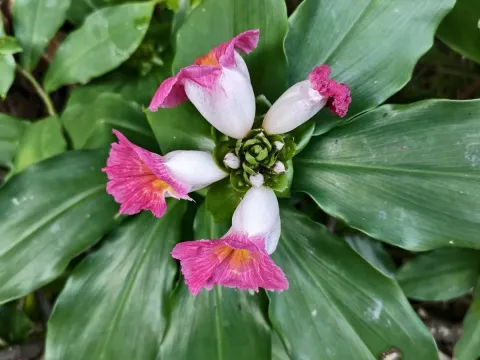
Costus phyllocephalus
Costus phyllocephalus
Costus phyllocephalus is a perennial herbaceous plant belonging to the Costaceae family. It is native to the tropical regions of Central and South America, where it thrives in humid and warm forest understories.
What the section contains
Costus phyllocephalus
This crop requires a tropical climate with temperatures consistently between 22°C and 28°C. It is strictly sensitive to cold and must be protected from any temperatures approaching freezing to survive.
Cultivation requires fertile, well-draining soil rich in organic matter. Maintaining a constant level of soil moisture is crucial, but the soil should never become waterlogged to prevent root decay.
While the plant can tolerate shade, it needs bright, indirect sunlight for optimal development and flower production. Direct afternoon sun can damage the foliage and result in scorched leaves.
The plant is mainly used in horticulture for its ornamental value. It is prized for its unique, cone-like inflorescences that make it a standout choice for tropical gardens and botanical collections.
Spider mites are the most common pests affecting this plant, especially when indoor air humidity levels are too low. These pests can quickly weaken the plant by feeding on its sap.
Root rot is a significant threat to Costus phyllocephalus, typically caused by overwatering or poor soil drainage. Once rot sets in, it is difficult to treat, often leading to total loss.
Fungal leaf spot diseases are frequently encountered in environments with poor air circulation. These infections manifest as discolored lesions on the leaves, impacting their aesthetic appeal.
Mealybugs and scale insects may also infest the stems and undersides of leaves. Regular inspections and early intervention are necessary to keep the plant healthy and thriving.
Effective management includes maintaining proper ventilation, avoiding overhead watering to keep foliage dry, and using fungicides or miticides only when infestations are positively identified.