
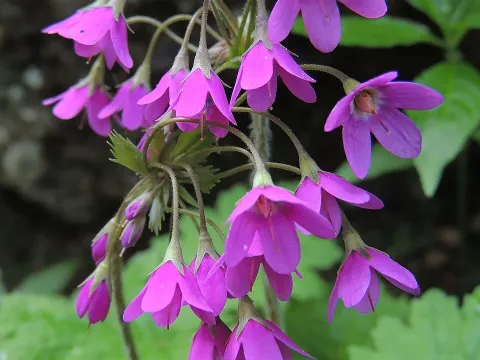
Cortusa
Cortusa
Sowing Cortusa seeds is best performed in late autumn to allow for a natural stratification period. The seeds require consistent cold temperatures for several weeks to break dormancy, making outdoor winter sowing a highly effective practice for gardeners.
What the section contains
Cortusa
If indoor sowing is preferred, seeds must be placed in a refrigerator at temperatures between 2°C and 5°C for about six weeks. The sowing medium should be a light, well-draining mix, such as peat mixed with perlite or sand, to keep the seeds aerated while preventing fungal growth.
The seeds are extremely fine, so they should be surface-sown without being deeply buried. Gently pressing them into the moist soil is sufficient. Cover the container with clear plastic or glass to maintain a stable humidity level, which is crucial for germination.
Patience is required during the germination process, which can be irregular and slow. Keeping the seedlings away from direct sunlight is vital at this stage to prevent the soil from drying out too quickly, as young Cortusa plants are particularly vulnerable to dehydration.
Transplanting should be handled with extreme care once the seedlings develop their first true leaves. The delicate root system must be kept intact to ensure the plant successfully establishes itself in its final garden location.
Cortusa belongs to the Primulaceae family and is native to mountainous and forested regions across Eurasia. As a shade-loving perennial, it performs best in cool, humid environments that mimic its natural habitat in rocky or wooded landscapes.
Optimal growth requires rich, organic-based soils that remain consistently moist yet have excellent drainage. A site with dappled shade or protection from the harsh midday sun is essential to prevent leaf scorch and ensure the plant remains vigorous throughout the season.
Temperature management is key, as Cortusa prefers cooler climates. In hotter regions, gardeners should focus on site selection, perhaps utilizing north-facing slopes or planting near water features where the ambient temperature is naturally lower.
Winter hardiness is one of Cortusa's strengths, though protection against freezing winds or rapid frost cycles is recommended in colder climates. Applying a layer of mulch around the base of the plant can help regulate soil temperatures during the winter months.
In terms of usage, Cortusa is primarily a decorative asset in rock gardens, woodland borders, and shaded flower beds. Its delicate foliage and nodding flowers provide a refined aesthetic, especially when grouped with other shade-tolerant species.
The main threats to Cortusa involve fungal infections, particularly gray mold and leaf spot, which thrive in stagnant, high-humidity environments. Improving air circulation around the plants is the most effective preventative measure against these diseases.
Slugs and snails are the most frequent insect pests, posing a significant threat to young leaves during the early spring. Monitoring these pests and using physical barriers, such as crushed eggshells or copper tape, can help protect the plants without relying on harsh chemicals.
Spider mites can become an issue if the ambient humidity is too low and the weather remains dry for extended periods. Regular misting of the surrounding air or ensuring consistent soil moisture can deter these pests from settling on the foliage.
To keep the plants healthy, regularly inspect the underside of the leaves for signs of stress or infestation. If disease is detected, prune away affected foliage immediately and dispose of it far from the garden to prevent the spread of spores.
Maintaining a balanced ecosystem within the garden by encouraging natural predators is a sustainable approach to managing pests. Always prioritize horticultural cleanliness, such as clearing dead organic matter, to keep the environment unfavorable for pathogens.