
Costus tappenbeckianus
Costus tappenbeckianus
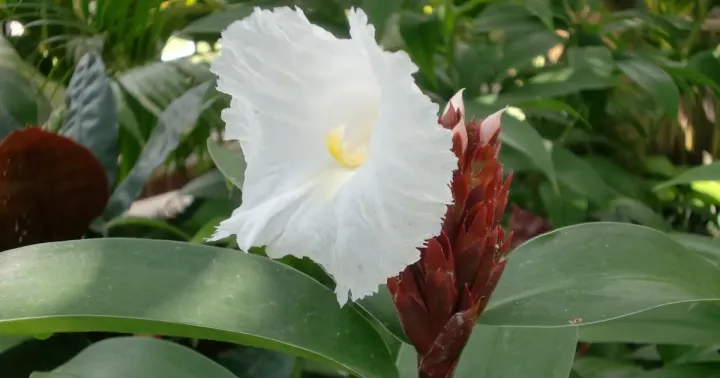
Description
Growing requirements
Costus tappenbeckianus is a member of the Costaceae family, known for its distinct botanical structure and tropical origin. Native to the rainforests of Central and West Africa, this species thrives in humid and warm environments.
Successful cultivation requires soil that is rich in organic matter and highly permeable to water. A well-aerated, loamy substrate with a slightly acidic pH is ideal for promoting healthy rhizome development and nutrient uptake.
Climate control is the most critical aspect of growing this culture. It requires consistently high ambient temperatures, ideally between +20°C and +28°C, and cannot tolerate frost. Protecting the plants from cold drafts is essential.
Water management involves maintaining constant moisture without causing waterlogging. The soil should remain damp but never saturated, as the rhizomes are highly susceptible to rot if oxygen supply is cut off by stagnant water.
These plants perform best under bright, diffused light. Intense, direct sunlight should be avoided to prevent foliar scorching, making greenhouse cultivation with adjustable shading the most effective method for professional production.
Main diseases and pests
Spider mites are a primary concern, especially when humidity levels drop below the optimal threshold. These pests thrive in dry conditions and can cause significant damage to the plant's foliage if not managed with timely moisture adjustments.
Root and rhizome rot represent the most significant threats to plant survival. These are often caused by oomycete pathogens like Pythium, favored by poor soil drainage and overly dense substrate mixtures.
Mealybugs can often be found in the leaf axils, where they hide from environmental factors. Manual removal combined with systemic insecticides is the standard approach to keeping populations under control in a professional setting.
Fungal leaf spots can occur if the foliage remains wet for extended periods in environments with poor air circulation. Proper spacing between individual plants is necessary to promote adequate airflow and reduce the humidity around the leaf surface.
Nutrient imbalances, particularly deficiencies in nitrogen or iron, can cause chlorosis. Regular monitoring of the soil nutrient profile and adjusting fertilizer applications are vital for maintaining the plant's vigor and ornamental value.