
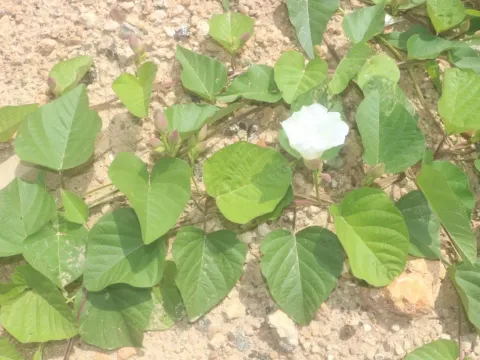
Operculina
Operculina
Operculina, with Operculina turpethum being the most recognized species, is a perennial tropical plant that thrives in warm climates and requires specific conditions for propagation.
What the section contains


Operculina
Cultivation typically begins in greenhouse environments, where seeds are sown in a warm, moist substrate to ensure successful germination without risk of cold-induced rot.
Scarification of the seeds is highly recommended as a preparatory step to break the hard outer seed coat and facilitate the imbibition of water needed for the embryo to develop.
Sowing should be timed to coincide with the onset of the long-day season, providing the plants with the light energy necessary for rapid early establishment and vine elongation.
Once seedlings are robust enough, they are transplanted into well-prepared soil, ensuring they are positioned near supports that will sustain their vigorous climbing habit.
As a member of the Convolvulaceae family, Operculina requires a tropical or subtropical climate characterized by consistent temperatures and high humidity levels throughout the year.
The plant demands a well-draining soil mix enriched with organic matter, which prevents moisture stagnation while providing essential nutrients for the continuous growth of the vine.
Adequate sunlight is crucial, although protection from intense midday heat is advised in hotter regions to maintain leaf health and prevent excessive transpiration stress.
Consistent watering is essential during the active growing season, but it must be managed carefully to ensure the soil remains moist rather than waterlogged, which is detrimental to root health.
The use of vertical trellising is a fundamental aspect of its agricultural management, allowing the vines to spread and capture maximum light for optimal photosynthetic performance.
Operculina is primarily cultivated for its medicinal properties, specifically the resinous glycosides extracted from its roots, which are highly valued in traditional medicine.
Yield production is determined by the development of the root system over several years, requiring careful monitoring of the plant's health to ensure peak concentration of active compounds.
Harvesting involves the extraction of the roots, followed by thorough cleaning and a precise drying process that is critical to retaining the pharmacological potency of the raw material.
Optimization of agricultural practices, including targeted fertilization and precise irrigation management, can lead to significant increases in total root biomass per cultivated hectare.
The final yield is assessed based on the percentage of active resin content, making quality control during the drying and storage phases a vital step in the production cycle.
Pest management for Operculina focuses on controlling spider mites and aphids, which are prone to colonizing the succulent leaves and stems of the vine under warm conditions.
Fungal infections, such as powdery mildew and root rot, represent significant threats and are usually exacerbated by poor air circulation and excessive moisture in the growing area.
Effective control strategies include maintaining optimal plant spacing to promote airflow and implementing routine inspections to detect signs of stress at the earliest possible stage.
When chemical interventions are required, they must be selected with caution, especially since the plant is destined for pharmaceutical use, favoring biological controls where possible.
Regular sanitation of the growing environment, including the removal of dead or decaying plant parts, serves as the first line of defense against the spread of common pathogens.