
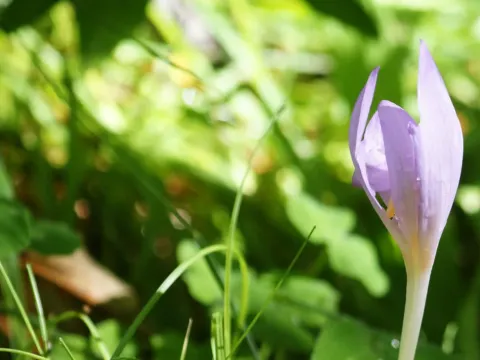
Colchicum arenasii
Colchicum arenasii
Colchicum arenasii is a perennial bulbous plant belonging to the Colchicaceae family. It is distinct for its specific adaptation to sandy habitats, which is implied by its scientific name. As a crop, it requires well-drained, porous soils that mimic its natural environment to ensure healthy bulb development and longevity.
What the section contains
Colchicum arenasii
The cultural requirements are centered around full sun exposure and a dry summer dormancy period. Unlike many other crops, it does not tolerate waterlogged conditions, making site selection with excellent drainage critical for successful cultivation. The optimal pH range is slightly alkaline to neutral to ensure proper nutrient uptake.
In terms of climatic demands, the plant thrives in regions with a distinct seasonal cycle. It requires enough moisture during its vegetative growth phase in early spring and cool, drier conditions during its autumn flowering stage. It is generally hardy, though it benefits from protection in areas with extreme temperature fluctuations.
The primary horticultural and economic use is the production of colchicine, an alkaloid used extensively in medical treatments for gout and in biological research for plant polyploidy induction. In ornamental gardening, it is highly sought after for its late-season bloom, providing color when most other garden plants have finished growing.
Agricultural management involves careful spacing of corms to prevent overcrowding, which can lead to diminished vigor. Due to the deep development of root systems, periodic transplanting or division every few years is recommended to maintain soil fertility and plant vitality. Standard safety protocols are essential due to the toxic nature of the plant's tissues.
The primary pathological threats include fungal infections such as botrytis and fusarium wilt. These conditions often arise in sites with poor air circulation or stagnant moisture levels, which can quickly lead to the rot of the subterranean corms if left unmanaged.
Pests that frequently target the crop include gastropods like slugs and snails, which can significantly defoliate the plant during the spring growing season. Additionally, soil-dwelling larvae such as wireworms may feed on the base of the bulbs, causing structural damage and providing entry points for pathogens.
Integrated Pest Management (IPM) is the recommended approach for maintaining a healthy crop. This involves regular scouting for early signs of herbivory, the use of physical barriers for snails, and the application of fungicides only when the disease threshold has been met.
Preventative measures are the most effective strategy for this crop. This includes using certified, disease-free planting material and ensuring that the soil is properly sterilized or treated if previous infections were noted in the area.
Monitoring for signs of pest pressure should be consistent, particularly after rainy weather periods when mollusks are most active. By controlling the environment and ensuring rapid water drainage, growers can successfully minimize the impact of these typical agricultural threats.