
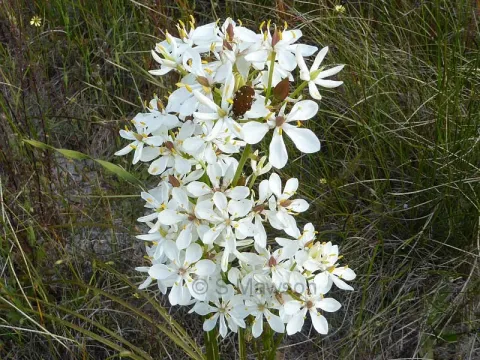
Burcharia congesta
Burcharia congesta
Sowing of Burcharia congesta is performed during the spring season, once the soil temperature reaches approximately 10–12 degrees Celsius at the seeding depth. Early to mid-April is generally considered the optimal window to take advantage of spring moisture.
What the section contains
Burcharia congesta
The standard practice involves row sowing with spacing between 15 and 20 centimeters. Precise placement of seeds at a depth of 2–3 centimeters is essential to ensure consistent and uniform germination across the field.
Pre-sowing soil compaction is highly recommended to improve the contact between the soil and the seed. This technique facilitates the capillary movement of moisture toward the seeds, ensuring rapid and healthy emergence.
Seed rates vary depending on local soil conditions and farming objectives, typically ranging from 12 to 18 kilograms per hectare. Increasing the rate slightly can lead to a denser canopy when the crop is intended for high-yield hay production.
Effective weed management in the early stages of plant development is a critical task. Mechanical weeding or the application of approved herbicides is necessary during the seedling phase to prevent competition for nutrients.
Burcharia congesta belongs to the Asphodelaceae family and is well-adapted to temperate climate conditions. It thrives in open, sunny environments, as shade tends to significantly reduce the photosynthetic activity and overall vitality of the plant.
The crop prefers well-drained, light sandy or loamy soils with a neutral to slightly alkaline pH. Proper soil drainage is essential, as waterlogging can cause root suffocation and predispose the plants to various fungal diseases.
Active vegetative growth occurs optimally within a temperature range of 20–25 degrees Celsius. The plant exhibits moderate drought tolerance, which is supported by its well-developed root system, allowing it to withstand brief dry spells.
Balanced fertilization, specifically incorporating nitrogen and phosphorus, is crucial for promoting robust green mass development. Applying nutrients at the start of the season and following each cutting cycle helps maintain high productivity levels.
Ongoing maintenance includes regular inter-row cultivation to prevent soil crusting and improve aeration. This practice enhances root respiration and nutrient uptake, which are vital for sustained plant health and yield stability.
When managed properly, Burcharia congesta can produce significant yields, typically ranging from 150 to 250 quintals of green mass per hectare. This high productivity makes it a valuable asset for agricultural feed programs.
Environmental factors, particularly water availability during the peak growth stage, have a direct impact on total yield. Irrigation can significantly enhance performance in regions prone to summer water shortages.
For seed production purposes, yields generally range from 3 to 5 quintals per hectare. Achieving maximum seed yield requires careful monitoring of the ripening phase to prevent excessive seed loss through natural shattering.
Increasing total output requires strategic post-harvest care, including fertilization after each cutting to promote rapid regrowth. This management approach ensures maximum efficiency throughout the growing season.
The nutritional profile of this forage crop makes it highly sought after in livestock systems. High protein content and digestibility make it an excellent choice for providing essential nutrients in animal diets.
The primary threats to Burcharia congesta involve fungal infections of the root system, often triggered by poor water management or excess humidity. Early symptoms such as chlorosis and stunted growth indicate the need for immediate field assessment.
Soil pests like wireworms represent a significant threat to root systems in newly established crops. Furthermore, aphid colonies may emerge during dry periods, feeding on plant sap and potentially transmitting secondary viruses.
The most effective strategy for threat mitigation is the implementation of a proper crop rotation system. Rotating crops helps break the lifecycle of soil-borne pathogens and reduces the reliance on heavy chemical interventions.
In cases of severe infection, systemic fungicides may be required to protect the crop. All chemical interventions should strictly follow agricultural guidelines to ensure environmental safety and high product quality.
Regular field scouting is essential for identifying pest pressure before it reaches economic injury levels. Targeted insecticide use, combined with the protection of natural pollinators, constitutes a balanced and sustainable IPM strategy.
The optimal harvest time for forage is at the early flowering stage, as this is when the nutrient concentration is at its highest. Harvesting at this point ensures the best palatability and nutritional value for livestock.
Mowing should be carried out using equipment adjusted to a cutting height of 5–7 centimeters. This height protects the plant's basal buds, allowing for rapid regeneration and subsequent growth cycles.
Post-harvest, the green mass should be left in windrows for partial wilting to reduce moisture content. Proper turning and drying processes are essential to retain the crop’s color and prevent spoilage in storage.
The final stage of hay production involves baling and storage in dry, well-ventilated conditions. Protecting the leaves during the baling process is crucial, as they contain the majority of the plant's vitamin content.
For seed-focused operations, a multi-stage harvest is recommended as the seed pods change color. This methodical approach minimizes mechanical losses and ensures high-quality seed yields for the next growing season.