
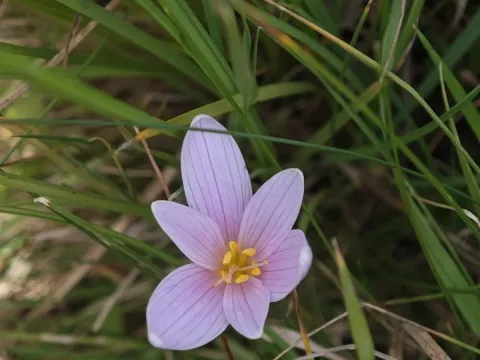
Alpine meadow-saffron
Colchicum alpinum
Alpine meadow-saffron (Colchicum alpinum) belongs to the Colchicaceae family. It is a perennial geophyte that grows from a corm and is naturally adapted to mountain environments, where it propagates through seeds and vegetative division.
What the section contains
Alpine meadow-saffron
Propagation from seed requires a cold stratification period. Seeds are typically sown in autumn, allowing the cold winter temperatures to break the seed dormancy, which is essential for successful germination in the following spring.
When sowing, seeds should be placed at a depth of approximately 1-2 centimeters in well-draining soil. Maintaining consistent moisture levels during the germination period is critical, though the substrate must not become waterlogged to avoid rot.
Vegetative propagation via corm division is the standard commercial practice. The corm clusters should be divided during the summer dormancy period, typically between July and August, when the foliage has completely withered away.
When replanting, corms are set at a depth of 10 to 15 centimeters. Ensuring proper spacing allows for adequate airflow and prevents competition between plants, promoting healthier development and more robust flower production in subsequent seasons.
Native to the alpine meadows of Europe, this plant requires specific environmental conditions to thrive. It performs best in well-draining, gritty, or rocky soils that prevent the stagnation of moisture, which is the primary cause of corm decay.
Exposure to full sun or light dappled shade is ideal. These plants are accustomed to high-altitude climates, meaning they are quite hardy against cold temperatures but require a dry, warm summer period to properly ripen their corms.
The soil should be neutral to slightly acidic and rich in organic matter. On heavy soils, it is necessary to incorporate coarse sand or fine gravel to improve aeration and drainage, simulating the plant’s natural mountain habitat.
Climate requirements include a distinct seasonal cycle. The plant emerges in the spring to grow leaves, followed by a dormant summer period, and finally blooms in late summer or autumn. Water management should be adjusted according to these phases.
Regular maintenance involves keeping the area free of weeds, which can shade out the young foliage and harbor pests. Proper soil structure is essential for long-term health, as corms that remain wet during winter are highly susceptible to loss.
Slugs and snails are the most common pests, particularly during the spring when tender leaves emerge. Effective control involves using physical barriers, such as crushed stone, or organic bait to prevent excessive foliage damage.
Botrytis, or gray mold, is the most destructive disease affecting Colchicum alpinum. It typically appears during periods of high humidity and cool temperatures, causing necrotic patches on the leaves and eventually rotting the corm.
Fusarium wilt can also affect the corm's basal plate, leading to overall plant decline. This is frequently exacerbated by poor drainage and excessive moisture in the soil, which creates an ideal environment for the pathogen to flourish.
Prevention is key, involving the use of fungicide dips for corms before planting. Furthermore, ensuring that the planting site has excellent drainage and removing any debris from the area helps to reduce the survival rate of fungal spores.
Regular inspections are necessary, especially during the growth phase. If a plant shows signs of sudden yellowing or rot, it should be removed and disposed of carefully, as the plant tissue contains alkaloids that make it toxic to ingest.