
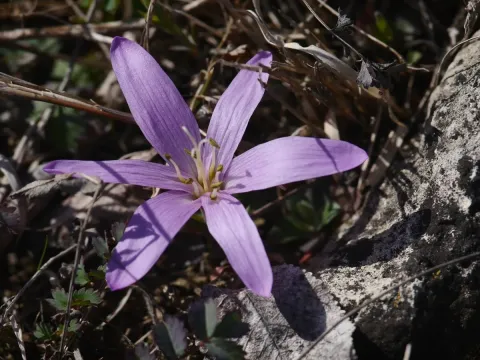
Bulbocodium vernum
Colchicum bulbocodium
Planting of Colchicum bulbocodium corms is typically carried out in late summer or early autumn, specifically from August to September. It is crucial to plant them before the first frost to allow the root system enough time to establish itself before the soil cools down.
What the section contains
Bulbocodium vernum
When propagating via seeds, sowing should be done in late autumn to ensure the seeds undergo the necessary natural stratification. Sowing in outdoor containers or prepared seed beds is highly recommended for achieving consistent germination rates in early spring.
The optimal planting depth for the corms is between 5 and 10 centimeters, depending on the individual size of the bulb. Maintaining a spacing of 10 to 15 centimeters between plants is essential to provide enough space for development and to ensure proper aeration.
Soil preparation is vital and involves deep tilling and the removal of all perennial weeds. Incorporating a bit of organic matter or compost into the soil a few weeks before planting significantly improves the initial growth phase of the plant.
As these plants are ephemerals, it is advised to mark the planting spots carefully. Once the foliage dies back in summer, the area will appear bare, so consider planting them near other perennials that will bloom later in the season to fill the space.
Colchicum bulbocodium thrives in open, sunny locations, as the plant requires abundant light during its early spring growth cycle. While it can tolerate partial shade, bright light is essential for optimal flower production and bulb vigor.
Well-drained soil is a non-negotiable requirement for this species. Sandy or loamy soils with a neutral or slightly alkaline pH are ideal. Any sign of water stagnation, particularly during the winter thaw, can lead to rot and the total loss of the corms.
The climate requirements reflect its native mountain meadows, where it is exposed to distinct seasons. It is quite hardy, though in regions with severe winters and little snow cover, a protective layer of mulch can help maintain soil temperatures.
Irrigation should be moderate during the active growing season, especially during dry spring months. Once the foliage begins to yellow and wither, all watering should cease as the plant enters its summer dormancy, requiring dry conditions to mature.
Belonging to the Colchicaceae family, this plant is well-suited for rock gardens and alpine beds. Its natural adaptation to harsh conditions makes it a relatively low-maintenance choice for gardeners provided the drainage is managed correctly.
Fungal infections, particularly bulb rot, represent the most significant threat to the health of the plants. These issues are almost exclusively caused by excessive moisture and poor soil drainage, highlighting the need for careful site selection.
Slugs and snails can cause cosmetic and physiological damage by feeding on young foliage and emerging buds in the early spring. Implementing physical barriers such as gravel or eggshells around the base can effectively deter these pests.
Soil-dwelling pests like wireworms may occasionally target the root base of the corms. Keeping the garden bed clean and free of thick weeds reduces the habitat for these pests and contributes to a healthier growing environment for the bulbs.
Fusarium wilt and other pathogenic fungi can cause premature yellowing of the leaves. If any bulbs show signs of softening or visible decay, they must be removed and destroyed immediately to prevent the spread of pathogens to healthy stock.
Regular thinning of crowded clumps is recommended every four to five years. This not only encourages better airflow and reduces the likelihood of disease spread but also ensures that the plants continue to receive adequate nutrients from the soil.