
Spindle tree (warty)
Euonymus verrucosus
The warty spindle tree (Euonymus verrucosus) is a deciduous shrub species within the Celastraceae family. It is native to temperate forests across Europe and Western Asia, demonstrating a natural ability to thrive in diverse ecological niches.
What the section contains
Spindle tree (warty)
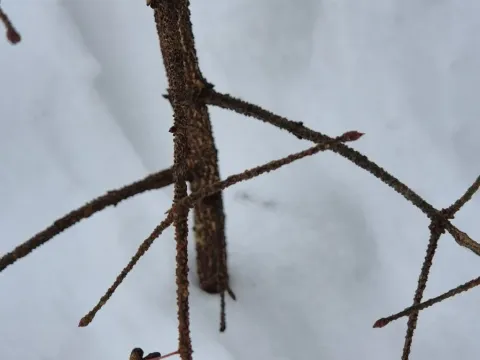
The plant is highly regarded for its distinctive warty twigs and attractive autumnal foliage coloration. It is a hardy species that easily adapts to varying light conditions, though it performs best in locations that offer partial to full sun exposure.
Regarding soil requirements, the warty spindle tree prefers fertile, well-draining loamy soils with a neutral to slightly alkaline pH. It is crucial to ensure that the site does not have standing water, as the roots are sensitive to waterlogging.
Cultivation practices involve minimal maintenance once the plant is established. It is an excellent choice for hedge plantings or ornamental garden borders due to its dense growth habit and moderate growth rate.
Propagation is commonly achieved through vegetative methods like cuttings or layering, which ensures the consistency of the shrub's ornamental characteristics. Seeds are also a viable option but require a period of cold stratification.
The most significant pest threat to Euonymus verrucosus is the spindle ermine moth, whose larvae can cause extensive defoliation by spinning webs around the branches. Early detection is key to preventing complete leaf loss.
Other common pests include spider mites and aphids, which are particularly prevalent during dry and hot summer conditions. These pests sap the plant's vitality and may lead to stunted growth if left unmanaged.
Fungal diseases, such as powdery mildew, are frequently observed when environmental conditions are humid or when the shrub is overcrowded. Proper spacing during planting is a fundamental preventive measure to ensure adequate air circulation.
Management of these threats involves a combination of manual removal of infested parts and the use of targeted pesticides. Always opt for eco-friendly solutions where possible to protect the garden's beneficial insect population.
Maintaining the overall health of the shrub through balanced fertilization and appropriate pruning significantly boosts its resistance to both pests and diseases, ensuring a long and healthy lifespan in the landscape.