
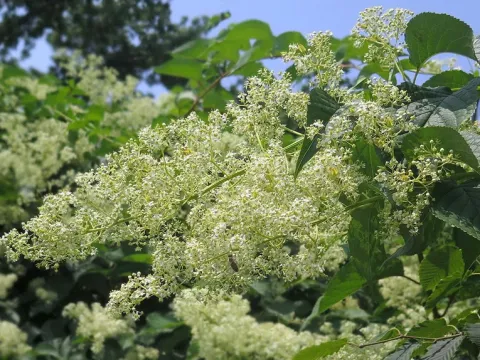
Tripterygium
Tripterygium
Tripterygium is a genus of woody vines belonging to the Celastraceae family. Often referred to as Thunder God Vine, the most commercially significant species, Tripterygium wilfordii, is native to the forested mountains of East Asia.
What the section contains
Tripterygium
The crop thrives in fertile, well-drained loamy soils. It prefers a slightly acidic environment and requires a location that provides protection from harsh, direct midday sun, making woodland or semi-shaded areas ideal for its cultivation.
Climate requirements include moderate temperatures and consistent moisture throughout the growing season. While the plant can tolerate a range of climatic conditions, it flourishes best in areas with high humidity and stable, frost-free spring periods.
Proper agricultural practices include installing sturdy vertical trellises or climbing structures. Since the plant is a vigorous vine, support is essential to prevent it from sprawling across the ground and to optimize its exposure to diffuse sunlight.
Soil moisture management is key; the root system requires constant access to moisture, but drainage must be efficient to prevent waterlogging, which is a common cause of plant mortality in domestic and farm settings.
Root rot is the primary pathological threat, typically induced by poorly aerated soils or excessive irrigation. Maintaining the balance of soil moisture is the most effective preventative strategy against fungal root diseases.
Pests such as spider mites and aphids are known to target the foliage during hot, dry spells. These pests can significantly reduce the photosynthetic capacity of the plant if left unchecked by integrated pest management.
Powdery mildew is a significant risk in areas with high humidity and poor ventilation. Pruning and strategic planting distances are essential to ensure adequate airflow within the plant canopy to prevent fungal spore germination.
Leaf-feeding caterpillars can occasionally cause damage to the vegetation. Monitoring programs during the spring and early summer allow for early detection and intervention using biological controls before damage becomes economic.
Winter care is vital for young plants, which are sensitive to deep ground freezing. Applying mulch around the base of the plant provides thermal insulation, ensuring the root system remains viable throughout colder months.