
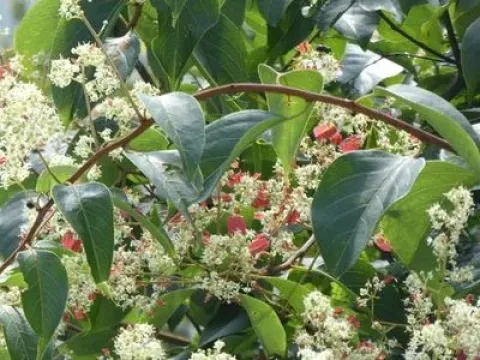
Tripterygium
Tripterygium Hook. f.
Propagation of Tripterygium is performed either by seeds or through vegetative cuttings. Seeds require a mandatory stratification process for approximately 2–3 months at cool temperatures to overcome dormancy and ensure successful germination.
What the section contains

Tripterygium
Sowing should take place in the spring season once the soil has warmed sufficiently. The seeds are planted into a nutrient-rich, well-draining substrate, ensuring they are placed at the correct depth for optimal seedling development.
Vegetative propagation via semi-hardwood cuttings is often preferred to maintain genetic consistency. These cuttings are typically prepared in late summer and placed in a rooting medium under high humidity.
The use of rooting hormones significantly enhances the success rate of propagation. It is essential to keep the cutting environment stable, protected from direct sunlight and temperature fluctuations during the rooting phase.
Once established, young plants are transplanted to their permanent location with adequate spacing. A distance of 1.5 to 2 meters between plants is recommended to allow for healthy growth and expansion of the root system.
Tripterygium is a genus of climbing shrubs belonging to the Celastraceae family. It is native to the mountain forests of East Asia, where it thrives in conditions characterized by high humidity and moderate temperatures.
The crop requires a location that receives partial sunlight, as intense heat can stress the foliage. Providing a sturdy support structure is critical, as the plant exhibits a natural climbing habit and needs vertical space.
Soil requirements are quite specific; the plants prefer fertile, slightly acidic to neutral soils with excellent drainage. Waterlogged soil conditions are detrimental and often lead to fatal root decay.
Climatic conditions are a major factor in successful cultivation. While the plant is hardy to some extent, it requires protection from severe frosts and strong, dry winds, especially during its juvenile stages.
Regular maintenance involves consistent watering to keep the soil moist but not soggy. Mulching around the base can help retain moisture and suppress weeds, which are significant competitors for young plants.
Typical agricultural threats to Tripterygium include aphids and spider mites, which can cause significant damage by feeding on the sap of young shoots. Their presence is usually more prevalent in hot and dry climates.
Fungal pathogens such as powdery mildew and root rot represent common diseases, especially when air circulation is poor or soil moisture levels are mismanaged. Proper spacing is the first line of defense.
Monitoring for pest outbreaks must be frequent, particularly during the active growing season. Integrated pest management strategies should be employed to reduce the reliance on synthetic chemicals.
Healthy plants are less susceptible to disease, so maintaining a strict fertilizer schedule is vital. Potassium and phosphorus application supports root strength and general plant immunity against environmental stress.
In cases of severe infestation, targeted applications of systemic insecticides or biological control agents are utilized. Always ensure that the treatment does not compromise the quality of the raw material intended for pharmaceutical use.
The primary agricultural objective for Tripterygium is the harvest of the roots and bark, which are highly valued for their bioactive compounds. Harvesting is typically delayed until the plant reaches 4–5 years of age.
The harvest occurs in the autumn months after the dormant phase begins. This ensures that the accumulation of secondary metabolites within the root system is at its peak, providing the highest quality material.
Root extraction requires careful excavation to prevent physical damage to the root fibers. After removal, the roots are thoroughly cleaned to eliminate all traces of dirt and debris from the harvest site.
Drying is a critical post-harvest step; it must be performed in a clean, ventilated area to avoid contamination and mold growth. Controlling the temperature is essential to preserve the stability of sensitive chemical components.
Once the material has reached the desired moisture content, it is stored in specialized, humidity-controlled containers. Proper storage protocols prevent the degradation of medicinal properties before processing occurs.