
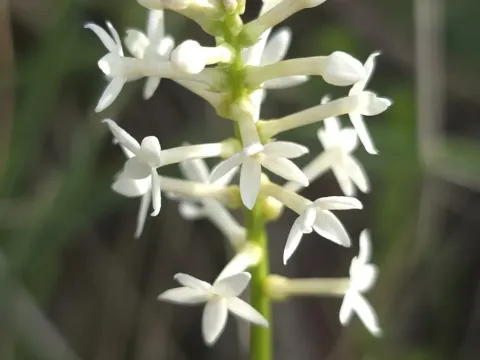
Stackhousia
Stackhousia
Stackhousia is a genus of herbaceous perennial plants belonging to the family Celastraceae. While historically categorized in a separate family, recent taxonomic revisions confirm its placement within the bittersweet family, reflecting its specific evolutionary adaptations.
What the section contains

Stackhousia
Originating primarily from Australia, these plants have evolved to thrive in diverse environments, ranging from sandy dunes to rocky outcrops. Their native range includes various climatic zones, demonstrating significant resilience to seasonal environmental stress and nutrient-poor substrates.
Botanically, Stackhousia plants are characterized by slender stems and linear to lanceolate foliage. They are particularly noted for their dense, often fragrant, spike-like inflorescences that bloom during specific periods of the growth cycle, showcasing unique floral morphology.
Cultivation requires strict adherence to drainage protocols. The plants are intolerant of waterlogged conditions, which can lead to rapid pathogen accumulation and root decay. A well-aerated, sandy-loam soil with a slightly acidic to neutral pH is considered ideal for healthy development.
Climatic requirements involve a preference for full sun exposure, mimicking their native arid or semi-arid habitats. While tolerant of drought, supplemental water during the establishment phase is essential, followed by a transition to a dry cycle that promotes flowering and metabolic stability.
The agricultural use of Stackhousia is currently localized and largely focused on botanical research and niche ornamental markets. It is not traditionally cultivated as a staple crop, yet its hardiness offers potential for landscape restoration projects in arid zones.
Scientific interest in the genus is centered on its phytochemical profile. Various species within the Stackhousia genus are studied for their potential to accumulate specialized metabolites, which may have future applications in pharmaceutical or chemical industries.
Productivity is measured by the successful production of high-quality seeds and the ability to maintain population vigor in nursery environments. Consistent sunlight and managed moisture are the primary drivers for achieving optimal reproductive success within the genus.
As a phytosanitary or environmental indicator, certain species show promise in assessing soil health and heavy metal concentration. This function adds value to the genus beyond its ornamental use, placing it within the scope of environmental management and land rehabilitation.
While the overall yield of biomass is modest, the ecological benefits of including native Stackhousia species in sustainable gardening or small-scale restoration programs are significant, contributing to local biodiversity and soil stabilization.
Primary threats to Stackhousia health include various soil-borne pathogens, particularly fungi such as Phytophthora, which thrive in excessive moisture. Proper site selection and drainage management are the most effective preventative strategies against these infections.
Pests such as aphids and spider mites represent significant challenges, particularly in protected or greenhouse environments. These organisms sap nutrients from the stems and leaves, leading to reduced vigor and an increased susceptibility to secondary infections.
Fungal diseases, including powdery mildew, frequently occur in conditions with poor air circulation or high ambient humidity. Maintaining adequate spacing and ensuring consistent airflow are crucial for minimizing the risk of outbreaks in both nursery and garden settings.
Nematode infestations can severely compromise the root system, causing plant decline that is often misattributed to drought or nutrient deficiency. Prevention through rigorous soil quality management and the use of certified pathogen-free media is highly recommended.
- Regular monitoring of foliage for signs of pest activity.
- Strict adherence to irrigation schedules to avoid soil saturation.
- Application of specialized systemic treatments only when environmental preventative measures fail.