
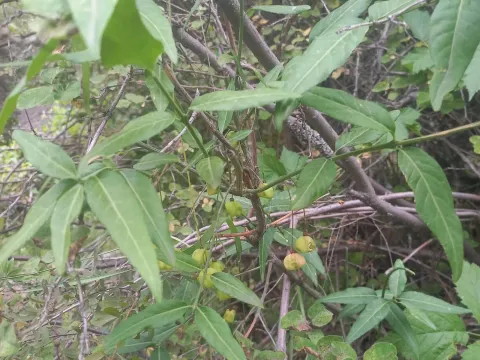
Semenov's spindle
Euonymus semenovii
Semenov's spindle (Euonymus semenovii) is a notable perennial shrub species belonging to the Celastraceae family. It is native to the mountainous regions of Central Asia, where it has adapted to specific high-altitude climatic conditions and rocky terrain.
What the section contains
Semenov's spindle
Botanically, this plant is characterized by its leathery, lanceolate leaves and a dense, branching habit. As a slow-growing shrub, it is highly valued in ornamental horticulture for its structured appearance and resilience in temperate landscape designs.
The plant requires a site with partial shade to thrive effectively. Prolonged exposure to intense direct sunlight can lead to leaf scorching, therefore it is recommended to plant it where it receives filtered light or protection during the hottest part of the day.
Soil requirements for Semenov's spindle include well-drained, nutrient-rich substrates with a slightly acidic to neutral pH. Proper drainage is essential, as the roots are highly susceptible to rot if exposed to waterlogged soil conditions for extended periods.
Maintenance involves routine watering during dry spells and consistent mulching to maintain soil moisture levels. Since it is a mountain species, it shows good cold tolerance, although young plants may require protection during their first few years in colder climates.
The primary pests affecting this species include scale insects and spider mites. These pests thrive in dry environments and can cause significant damage to the foliage and stems if the infestation is not detected and addressed in a timely manner.
Fungal diseases, such as powdery mildew, often occur when there is poor air circulation around the shrub's canopy. High humidity combined with a lack of proper thinning of the branches can facilitate the rapid spread of spores throughout the plant.
Effective management includes the application of horticultural oils or systemic insecticides to control sap-sucking pests. Preventive spraying with fungicides may be necessary in seasons characterized by high humidity to protect the leaves from fungal growth.
Pruning is not only for shaping but also for disease control. Removing diseased, dead, or crossing branches improves airflow within the structure of the shrub, which significantly reduces the risk of future pathogenic colonization.
Monitoring is the most effective defense strategy. Regular inspection of the leaves and stems allows for the quick identification of issues, ensuring that the health and decorative value of the Semenov's spindle are maintained throughout the growing season.