
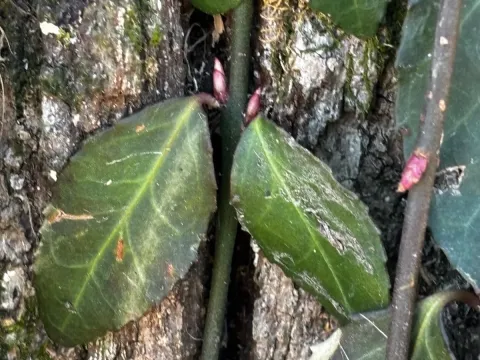
Spreading Euonymus
Euonymus kiautschovicus
Euonymus kiautschovicus, commonly known as Spreading Euonymus, is a vigorous evergreen or semi-evergreen shrub belonging to the Celastraceae family. It is native to East Asia, primarily originating from China, and has become a staple in ornamental horticulture globally.
What the section contains
Spreading Euonymus
The plant thrives in a wide range of soil types, provided they are well-drained and kept moderately fertile. While it demonstrates high tolerance for various light conditions, it performs optimally in full sun to partial shade, which encourages dense foliage development.
In terms of climate requirements, this species prefers temperate zones. It is known for its moderate cold hardiness; however, in regions with severe winters, it is recommended to provide wind protection and mulch to shield the root system from deep freezes.
Cultural practices include regular pruning to maintain the desired shape, as the shrub responds exceptionally well to shearing. Moderate watering is required during the establishment phase, with mature plants showing decent drought tolerance once their root system is fully developed.
Its primary use is in landscaping as a versatile screening plant, hedge, or groundcover. The shrub's ability to retain its leaves throughout the year makes it a valuable asset for year-round structure in garden design and municipal planting schemes.
Common pests affecting this crop include scale insects and spider mites, which can cause significant foliage damage if left unchecked. Integrated pest management strategies, including the use of horticultural oils and systemic insecticides, are recommended for effective control.
Powdery mildew represents the most frequent pathological threat, often developing in poorly ventilated or excessively humid conditions. Management strategies involve ensuring adequate spacing between plants and applying appropriate fungicide treatments during early infection stages.