
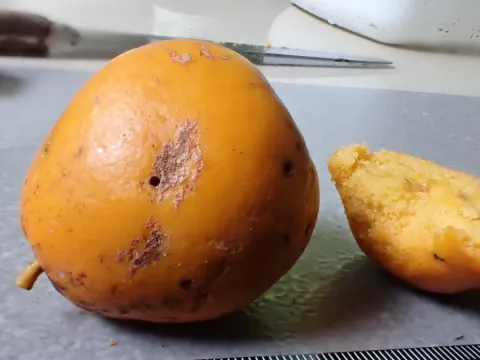
Siphonodon
Siphonodon
Siphonodon is a genus of trees belonging to the Celastraceae family, commonly found in the tropical rainforests of Southeast Asia and Australia. These plants are characterized by their robust wood structure and specific adaptation to humid environments.
What the section contains


Siphonodon
The climatic requirements for Siphonodon are strict, necessitating high levels of atmospheric humidity and consistent thermal conditions throughout the year. The plant does not tolerate frost or cold drafts, which severely restricts its cultivation areas.
For soil conditions, Siphonodon prefers deep, fertile, and well-drained loamy soils. Proper drainage is essential, as the roots are highly susceptible to rot when exposed to anaerobic conditions caused by waterlogging in heavy soils.
Agricultural management involves regular weeding and the application of balanced NPK fertilizers during the peak growing season to stimulate canopy development. Pruning is recommended only for removing diseased branches to ensure better airflow through the tree.
The biological development of Siphonodon is relatively slow, requiring significant time to reach the reproductive stage. Farmers are encouraged to use mulch to maintain soil moisture levels and suppress weed competition during the early years of the plant's life.
Harvesting of Siphonodon fruits requires manual handling to avoid damaging the delicate fruit surface. Proper timing is critical, as the nutritional value and texture are at their peak only for a short period upon reaching maturity.
Economic utility of Siphonodon currently remains focused on local markets and small-scale forestry. The timber is valued for its durability, while the fruits serve as a dietary component in indigenous populations' traditional systems.