
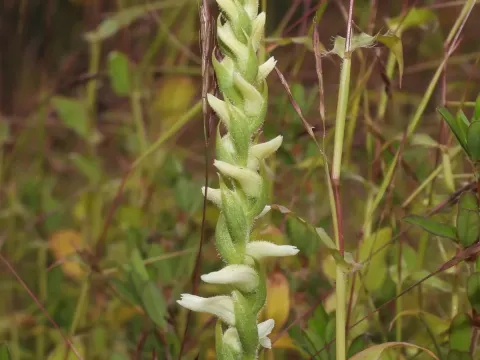
Spiranthes parksii
Spiranthes parksii
Spiranthes parksii is a rare species of orchid belonging to the Orchidaceae family. It is an endemic plant native to specific regions of Texas, USA. Given its status as a protected and endangered species, it is not cultivated for agricultural or commercial purposes.
What the section contains
Spiranthes parksii
The plant thrives in distinct ecological niches, such as open woodlands and forest edges. It requires specific soil conditions, which must be well-drained yet consistently moist, often rich in organic matter to support its unique biological needs.
A crucial requirement for the survival and development of this species is its obligate symbiosis with specific mycorrhizal fungi in the soil. Without these fungi, the seeds cannot germinate, making traditional artificial cultivation nearly impossible.
Climatic requirements involve moderate temperatures that provide distinct growing seasons. The plant is sensitive to excessive heat and requires a stable environment to successfully complete its reproductive cycle, including flowering and seed production.
Botanically, it is characterized by a spiraling arrangement of small, white-to-cream colored flowers along the stalk. The narrow leaves typically form a basal rosette, providing the plant with the energy needed to support its delicate inflorescence.
The primary threat to Spiranthes parksii is the loss and degradation of its natural habitat. Urban development, infrastructure expansion, and agricultural land conversion have significantly restricted the areas where this orchid can still exist.
Overgrazing by livestock poses a major danger as it leads to physical trampling of the plants and severe soil compaction. This process destroys the fragile mycorrhizal networks essential for the survival of the species.
Competition from invasive plant species represents a critical threat. Aggressive weeds quickly colonize the habitat, outcompeting the slow-growing Spiranthes for sunlight, space, and essential soil nutrients.
Altered hydrological regimes, such as changes in drainage patterns or prolonged droughts, are detrimental to the species. The orchid relies on a specific balance of groundwater to maintain its shallow root system during critical growth phases.
Due to the extremely limited number of individuals in the wild, any environmental disturbance can have cascading effects on population viability. Ongoing conservation efforts focus on habitat restoration and protection from human interference.