
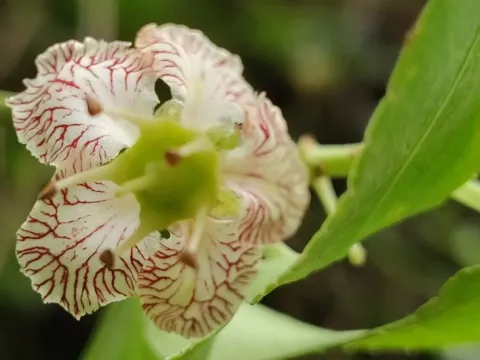
Spindle tree
Euonymus tingens
Euonymus tingens, commonly known as the spindle tree, is a deciduous shrub or small tree belonging to the Celastraceae family. It is native to the Himalayan region, specifically found in countries such as Nepal, India, and parts of China, typically thriving in mountainous forested areas.
What the section contains
Spindle tree
The plant requires deep, fertile, and well-drained soil to support its vigorous root system. It thrives best in sites where the soil retains some moisture throughout the growing season but does not become waterlogged, as poor drainage is detrimental to its health.
Regarding climate conditions, this species prefers cool to moderate temperatures and high atmospheric humidity. While it is hardy in many zones, it performs best when protected from extreme wind and direct scorching afternoon sun, which can dehydrate its foliage.
Cultivation practices involve regular pruning to maintain a desirable shape and encourage the growth of vibrant foliage. During the active growing period, applying a balanced organic fertilizer helps support the shrub's development and ensures a robust display of its unique seed capsules.
This species is highly valued in horticulture for its ornamental properties. Its aesthetic appeal makes it a popular choice for woodland gardens, shrub borders, and as a specimen plant, providing visual interest through its distinct flower clusters and colorful autumn foliage.
The most common pests affecting Euonymus tingens are scale insects and spider mites, which can cause significant stress by feeding on sap and reducing the plant's overall vigor during hot periods.
Fungal issues, particularly powdery mildew, often occur in environments with poor air circulation or excessive moisture around the leaves, leading to unsightly white patches.
Integrated pest management strategies should be employed, focusing on regular monitoring and the use of horticultural oils if infestation levels rise above the threshold.
Sanitation is critical; removing and disposing of diseased branches or fallen leaves helps to eliminate overwintering spores and larvae from the immediate vicinity of the plant.
Proper plant spacing and selective pruning to improve airflow significantly reduce the risk of humidity-related pathogens and promote a healthier growing environment for the shrub.