
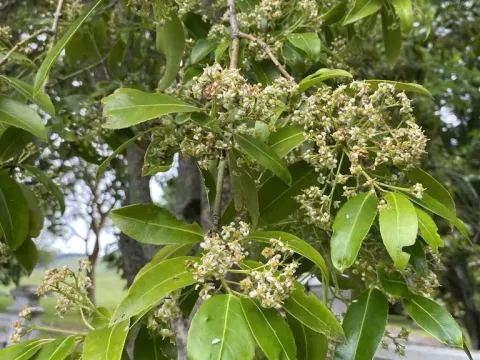
Shining spindle
Euonymus lucidus
The shining spindle (Euonymus lucidus) is a member of the Celastraceae family. It is recognized for its vibrant, glossy leaves which provide significant aesthetic value to gardens and landscapes throughout the seasons.
What the section contains
Shining spindle
Originating from the mountainous areas of the Himalayas and Southeast Asia, this species thrives in climates characterized by mild winters and consistent humidity. It is best suited for sheltered positions where it can avoid extreme frost and desiccating winter winds.
The cultural requirements for Euonymus lucidus focus on well-drained, nutrient-rich soil. It is particularly sensitive to waterlogged conditions, making proper soil preparation and the addition of organic matter essential for root health and overall plant vigor.
Regarding light, the shining spindle prefers partial shade to dappled sunlight. While it can adapt to various light levels, protection from harsh, direct afternoon sun is crucial to prevent leaf scorching and to maintain the deep green coloration of its foliage.
General maintenance includes regular light pruning to maintain a desirable shape, consistent watering during dry spells, and balanced fertilization during the active growing season to ensure robust development of the canopy.
The most common pests affecting this shrub are spider mites and scale insects. These pests often proliferate during dry weather, necessitating vigilant monitoring and the application of appropriate horticultural oils or insecticides.
Powdery mildew is a frequent fungal threat, particularly in locations with poor air circulation or high humidity. Maintaining proper spacing between plants and performing timely sanitary pruning are the best preventative measures against this pathogen.
Root rot caused by poor soil drainage can significantly impair the plant's health. It is essential to ensure that the site for planting has excellent drainage capacity and that the plant is not subjected to standing water.
Leaf spots may occur if environmental conditions are suboptimal or if the plant's immune system is weakened by nutritional deficiencies. Providing a balanced fertilizer regimen helps the plant resist these common fungal opportunistic infections.
Gardeners should handle the plant with care, as various species in the Euonymus genus contain compounds that can be toxic if ingested, necessitating the use of gloves and proper protective equipment during pruning or maintenance activities.