
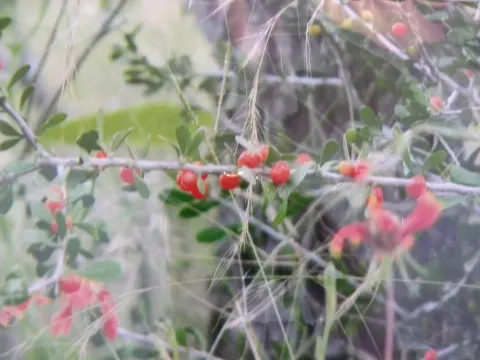
Schaefferia
Schaefferia
Schaefferia is a genus of shrubs and small trees belonging to the Celastraceae family. These plants are primarily native to the tropical and subtropical regions of the Americas, where they have adapted to diverse environmental conditions ranging from dry coastal scrub to inland forest margins.
What the section contains


Schaefferia
Botanically, they are characterized by their evergreen nature, simple leaves, and small, often inconspicuous flowers that develop into drupe-like fruits. Their morphology allows them to thrive in harsh environments, effectively managing water retention throughout the hot growing season.
Cultivation of Schaefferia requires specific climate conditions characterized by warm temperatures year-round. These plants cannot tolerate frost, which dictates their primary distribution in zones where extreme cold is not a factor. Exposure to full sunlight is crucial for maintaining the plant's structural density and health.
Regarding soil requirements, the genus performs best in well-drained, sandy or rocky soils with a neutral pH. Gardeners must ensure that the planting site has excellent drainage properties to prevent root decay, which is the most common physiological challenge for this type of vegetation.
In terms of practical management, pruning is the most significant agrotechnical practice. It helps in maintaining the aesthetic shape of the bush and promoting denser foliage. Since the plants are generally hardy and accustomed to nutrient-poor soils, minimal fertilization is typically required to maintain their health.