
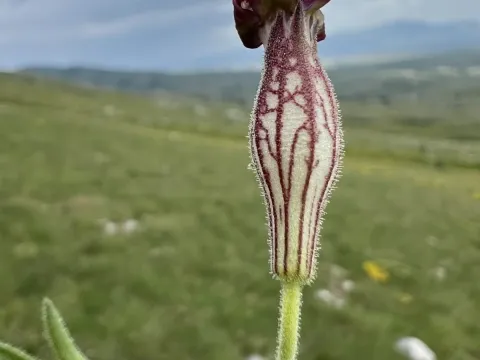
Vallesian catchfly
Silene vallesia
Silene vallesia belongs to the Caryophyllaceae family, commonly known as the pink family. As an alpine species, it requires specific conditions to germinate successfully, often mimicking natural cycles.
What the section contains
Vallesian catchfly
Seed sowing is best performed in late autumn to allow for natural cold stratification during winter. This process is essential for breaking seed dormancy and ensuring a uniform germination rate in the spring.
When starting indoors, seeds should be sown on the surface of a light, sandy substrate. Press them gently into the soil, as they require light to germinate efficiently without being buried too deep.
Maintain consistent moisture levels during the germination period. Using a misting bottle is recommended to avoid washing away small seeds and to keep the top layer of the soil just damp enough.
Once seedlings have developed at least two pairs of true leaves, they can be transplanted into individual containers. Gradual hardening off is necessary before moving the plants to their final outdoor site.
The Vallesian catchfly is native to the Alpine regions, meaning it is naturally adapted to harsh, rocky terrain. It thrives in environments with intense sunlight and thin, nutrient-poor soil.
Excellent drainage is the single most important factor for success. In garden settings, it should be planted on slopes or in dedicated rock gardens where water can flow away from the root collar.
The soil should have a neutral to slightly alkaline pH. If the existing soil is too acidic, amending it with gravel, limestone chips, or perlite is highly recommended to improve soil structure.
This species is highly cold-hardy, capable of surviving sub-zero temperatures typical of high-altitude habitats. However, it struggles with winter dampness, which can cause the crown to rot.
While the plant is drought-tolerant once established, it benefits from occasional watering during the blooming season if the weather remains dry for extended periods. Always water at the base of the plant.
Root rot is the most common issue for Silene vallesia, usually triggered by poor drainage or overly frequent irrigation. Preventing standing water is the primary defense against this condition.
Fungal diseases like powdery mildew can occur if there is insufficient air circulation around the plants. Increasing spacing between individual specimens helps maintain a dry microclimate around the leaves.
Aphids are occasional pests that may feed on the tender flower buds. Early detection and manual removal or the application of insecticidal soap are usually enough to manage the population.
Slugs and snails can damage young foliage during damp spring weather. Using physical barriers like crushed shells or copper tape around the perimeter of the bed can keep these pests at bay.
Viral infections can sometimes result in stunted growth or discolored leaves. Because there is no cure, affected plants should be promptly removed and destroyed to prevent spreading to healthy neighbors.