
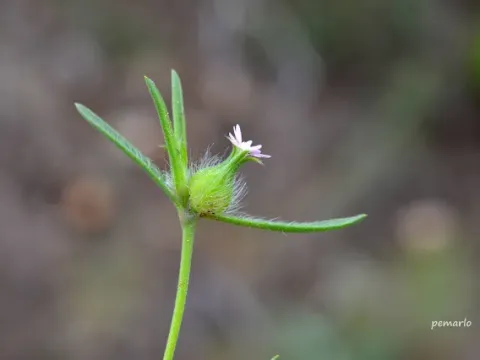
Three-toothed catchfly
Silene tridentata
Silene tridentata, belonging to the Caryophyllaceae family, is an annual plant widely valued for its ornamental appeal. Its biological cycle is characterized by a rapid transition from seedling stage to full bloom, making it a popular choice for garden beds.
What the section contains
Three-toothed catchfly
Sowing should take place in spring once the soil has warmed to at least 10–12 degrees Celsius. In regions with shorter growing seasons, starting seeds in greenhouses during late winter ensures a stronger root system before transplanting.
The seeds are exceptionally small and should not be buried deeply; a light dusting of soil or vermiculite is sufficient. Maintaining consistent surface moisture is crucial during the germination period, which typically spans 10 to 14 days.
Plants should be spaced approximately 15 to 20 centimeters apart. Proper spacing is essential to encourage branching and to prevent the center of the plant from rotting due to moisture retention after rainfall.
Once established, the seedlings are resilient and adapt well to garden soil. Regular weeding during the first few weeks is vital, as the young plants are sensitive to competition from aggressive weeds.
Silene tridentata thrives in full sun, which is necessary to maintain a compact habit and prolific flowering. Partial shade can lead to leggy, unattractive growth and significantly lower flower count.
Well-draining soil is the most critical requirement for this species. It performs best in sandy or loamy soils where water does not pool around the base of the stems, as stagnant water quickly causes root decay.
The plant prefers neutral to slightly alkaline soil pH levels. Before planting, perform a soil test; if the soil is too acidic, amending it with garden lime several weeks in advance is highly recommended for success.
While the species exhibits moderate drought tolerance once mature, supplemental irrigation during dry spells will prolong the blooming period. Avoid overhead watering, which can damage the delicate flowers.
Minimal fertilization is required. A balanced, slow-release fertilizer applied once at the start of the season is usually sufficient to support growth without causing the plant to become too leafy at the expense of its flowers.
Root rot is the most common pathology, typically triggered by overwatering or poor soil drainage. Ensuring that the site has excellent air circulation is the best preventive measure against soil-borne pathogens.
Powdery mildew may occur if the plants are crowded or if humidity levels remain high for extended periods. Thinning the plants to improve airflow is the most effective organic control method for this fungal disease.
Aphids are frequent pests, particularly during the early summer months. They congregate on the new growth and flower buds, causing stunted development and the potential spread of viral diseases if not treated.
Spider mites can be problematic in dry, hot conditions. These pests thrive on the underside of leaves and can cause rapid decline in plant health if left untreated with appropriate miticides or neem oil applications.
Maintaining a clean garden environment by removing plant debris and controlling neighboring weeds helps reduce the reservoir of pests, ensuring a healthy and vibrant display throughout the season.