
Tunic flower
Petrorhagia saxifraga
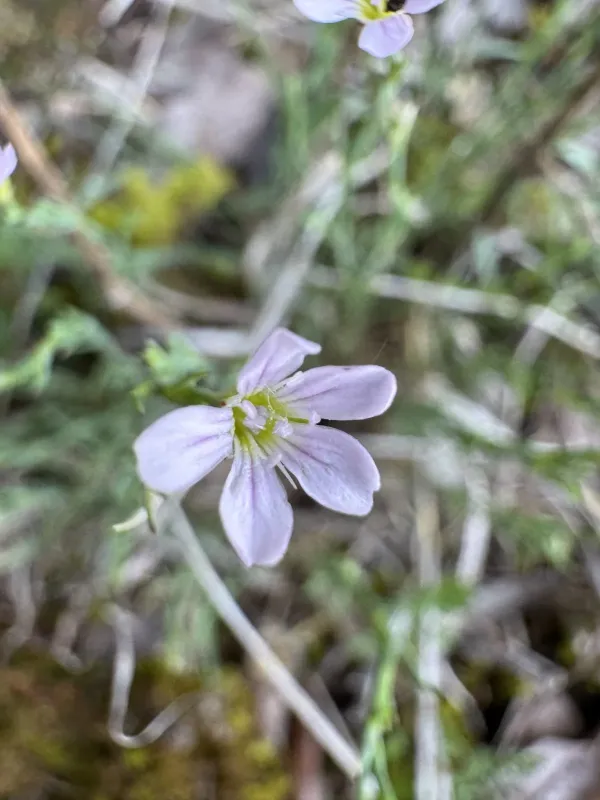
Description
Sowing dates
Seeds of Petrorhagia saxifraga are typically sown in open ground during the spring, once the threat of frost has passed, or in late autumn for winter sowing.
For early blooming, indoor propagation is possible: seeds should be sown in March into a light substrate without deep burial, as they require light to germinate effectively.
While seeds maintain viability for a considerable time, stratification in a refrigerator for several weeks is recommended to ensure high and uniform germination rates.
When planting in their permanent location, ensure a spacing of at least 20–25 centimeters between plants to allow the cushions to spread and form a dense, carpet-like cover.
It is crucial to ensure the planting site is cleared of perennial weeds beforehand, as the delicate seedlings of this species grow slowly and can be easily outcompeted.
Growing requirements
Petrorhagia saxifraga belongs to the Caryophyllaceae family and is a low-maintenance herbaceous perennial adapted to survive in nutrient-poor environments.
The plant exhibits significant drought tolerance and thrives in sunny spots with well-drained, rocky, or sandy soils featuring a neutral to slightly alkaline pH.
Ideal climatic conditions include temperate regions, though the plant is hardy enough to survive cold winters provided there is excellent drainage to prevent crown rot.
Native to rocky slopes and dry grasslands, this species performs poorly in heavy clay soils or areas subject to waterlogging, which often leads to rapid decline.
General care is minimal, requiring only occasional watering during extreme drought and the removal of spent flower stems to encourage prolonged blooming and aesthetic appeal.
Main diseases and pests
The primary threat to this crop is excessive soil moisture, which creates an environment conducive to root rot and often results in plant loss during the winter months.
In densely planted areas with poor airflow, the plants may be susceptible to powdery mildew, necessitating improved spacing and the removal of infected foliage.
Pests are generally not a significant issue, though snails and slugs may occasionally feed on young shoots if conditions remain damp for extended periods.
Preventative measures against fungal pathogens include ensuring efficient drainage and avoiding overhead irrigation during humid weather conditions.
If symptoms of disease appear, targeted fungicide application may be necessary, although choosing a well-draining site remains the most effective long-term defense.