
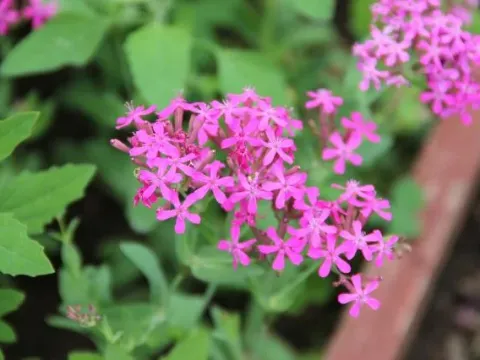
Sweet William catchfly
Silene armeria
Silene armeria is an annual herbaceous plant belonging to the Caryophyllaceae family. Seeds are typically sown in early spring as soon as the soil warms up.
What the section contains
Sweet William catchfly
For earlier blooms, indoor sowing in seed trays during March is recommended. Seeds require light for germination, so they should be surface-sown on a light substrate.
Germination usually takes between two to three weeks if temperatures are kept between 18–20 degrees Celsius. Keep the seedlings in a bright location to prevent legginess.
Transplanting to the final location happens after the threat of frost passes, with a recommended spacing of 15–20 centimeters between individual plants.
Direct sowing into the garden is also possible; however, it is essential to ensure the soil surface is kept consistently moist until germination is complete.
The plant thrives in full sun exposure. While it can tolerate partial shade, insufficient light often results in weak stems and sparse flowering.
Ideal soil conditions include well-draining, moderately fertile soil with a neutral to slightly alkaline pH level to ensure healthy root development.
The species is drought-tolerant once established, but providing regular water during the peak flowering stage will significantly enhance its display.
Waterlogged soil must be avoided at all costs, as excessive moisture can lead to root rot and other fungal pathogens that compromise the plant health.
Maintenance is relatively low, requiring only basic weeding and occasional light feeding to maintain the vigor and quality of the floral stems.
Fungal diseases, such as rust and leaf spot, are the most significant threats, especially during humid weather or in areas with poor airflow.
Insect pests including aphids and spider mites can attack the succulent parts of the plant, necessitating regular inspections to detect infestations early.
Appropriate management involves the use of organic or synthetic insecticides applied during the early stages of an outbreak to limit potential damage.
Proper spacing is a critical cultural practice, as it promotes adequate air circulation, which helps dry the foliage and reduces the risk of fungal growth.
If diseased plants are detected, prompt removal and disposal are necessary to prevent the spores from spreading to the rest of the flower bed.
The primary use of Silene armeria is in ornamental landscaping, including borders, rock gardens, and mass planting schemes for aesthetic impact.
Seed harvesting should be performed when the seed pods have turned dry and brown, usually in late summer, indicating full maturity of the seeds.
Harvested seeds must be cleaned of debris and stored in a cool, dry place to maintain viability for the following season's planting requirements.
As a cut flower, the stems can be harvested while the blooms are fresh, providing a vibrant addition to indoor floral arrangements and bouquets.
At the end of the growth cycle, the plants are typically cleared, though leaving them can sometimes lead to self-seeding, ensuring growth for the next year.