
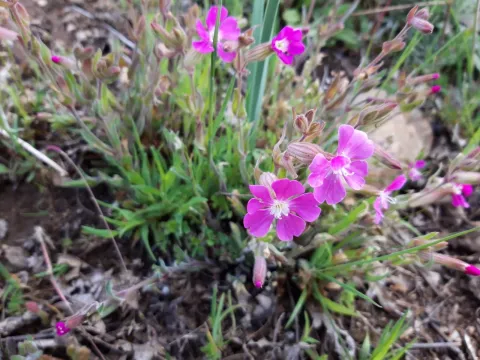
Silene psammitis
Silene psammitis
Silene psammitis is a perennial herb belonging to the Caryophyllaceae family. Known for its adaptation to sandy environments, it represents a unique candidate for stabilizing poor-quality soils.
What the section contains
Silene psammitis
Sowing should be performed in early spring when the soil temperature consistently reaches 10-12 degrees Celsius. This ensures optimal germination rates and establishes a strong root system before the onset of summer drought.
The seeds are small and require shallow sowing at a depth of approximately 1-2 cm. Surface moisture must be managed carefully until the seedlings are firmly established and capable of accessing deeper soil water.
Planting density should be managed to ensure adequate spacing, as good air circulation is vital for preventing the buildup of humidity around the base of the stems, which can lead to fungal issues.
This crop is highly light-dependent, and selecting an open field with full exposure to sunlight is the most critical factor for successful establishment and maximizing vegetative growth.
The primary soil requirement for Silene psammitis is excellent drainage. The plant thrives in sandy or light loamy soils where water does not pool, preventing the risk of root rot and associated diseases.
It exhibits remarkable drought tolerance once established, making it suitable for areas where supplemental irrigation is limited or non-existent, provided the soil structure is appropriate.
The species prefers neutral to slightly alkaline soil pH. In acidic soils, liming is recommended to adjust the conditions to the range favored by the Caryophyllaceae family.
In terms of temperature, it is a hardy perennial capable of withstanding significant winter cold. It remains active during moderate temperate seasons, slowing its growth only under extreme drought or frost conditions.
Minimal fertilization is required; focusing on phosphorus and potassium rather than nitrogen helps promote strong stem development and improves the plant's overall resistance to environmental stress.
Root rot is the most common threat when drainage is poor or during prolonged periods of heavy rainfall. Ensuring that the soil remains aerated is the best preventative strategy.
Fungal leaf spots can occur during warm, humid periods. Ensuring adequate airflow between plants is essential for maintaining a healthy crop throughout the growing season.
Aphids can be a significant pest, particularly in the spring when tender growth is most abundant. Monitoring for insect activity in the early vegetative phase is advised for timely intervention.
Weed competition can suppress young plants during the establishment phase; therefore, manual or mechanical weeding between rows is necessary to ensure the crop has adequate access to nutrients and light.
Integrated pest management, including the use of targeted biological controls, is preferred to maintain the health of the plantation while minimizing chemical impact on the local ecosystem.