
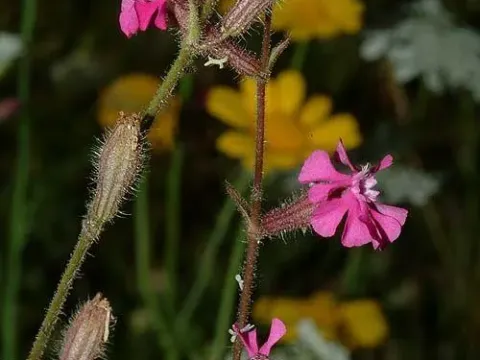
Silene palaestina
Silene palaestina
Silene palaestina is a distinct annual herbaceous plant belonging to the Caryophyllaceae family. Its natural habitat is concentrated in the arid and semi-arid regions of the Middle East, reflecting its high adaptability to harsh environmental conditions.
What the section contains
Silene palaestina
The botanical structure of the plant includes an upright stem and pubescent leaves, which serve as an evolutionary mechanism to minimize transpiration. These features allow the species to thrive in regions with low annual rainfall where other crops struggle to survive.
Successful cultivation requires soil with excellent drainage properties. Calcareous, sandy, or stony substrates are preferred, as the plant is highly sensitive to root asphyxiation caused by waterlogged soil conditions.
The climate requirements emphasize full sun exposure and warm temperatures throughout the vegetation cycle. It is a thermophilic species that performs best under conditions of intense solar radiation, typical of the Mediterranean climate zone.
In terms of practical utility, Silene palaestina serves as an important component for ecological restoration projects in dry lands. Its ability to colonize marginal soils makes it a candidate for soil stabilization and as a floral resource for local pollinators.
Root rot represents the most significant threat to plant health, typically occurring when soil moisture exceeds the plant's tolerance threshold. Maintaining a proper drainage system is critical for long-term survival in cultivation.
Aphid infestations are a common issue for this species, as they target the succulent parts of the plant, including stems and developing buds. Regular inspection and targeted application of biological insecticides are recommended for effective management.
Powdery mildew can affect the foliage during periods of high humidity or poor air circulation. Improving plant spacing within the rows is an effective cultural practice to reduce the incidence and spread of this disease.
Some noctuid caterpillars may feed on the plant's foliage, potentially causing significant yield loss if not monitored. Utilizing sticky traps or scouting during the dusk period helps in early detection of these larval threats.
Implementing an integrated pest management program, which prioritizes preventative measures and selective treatments, is essential for maintaining the health and vigor of Silene palaestina crops.