
Silene pomelii
Silene pomelii
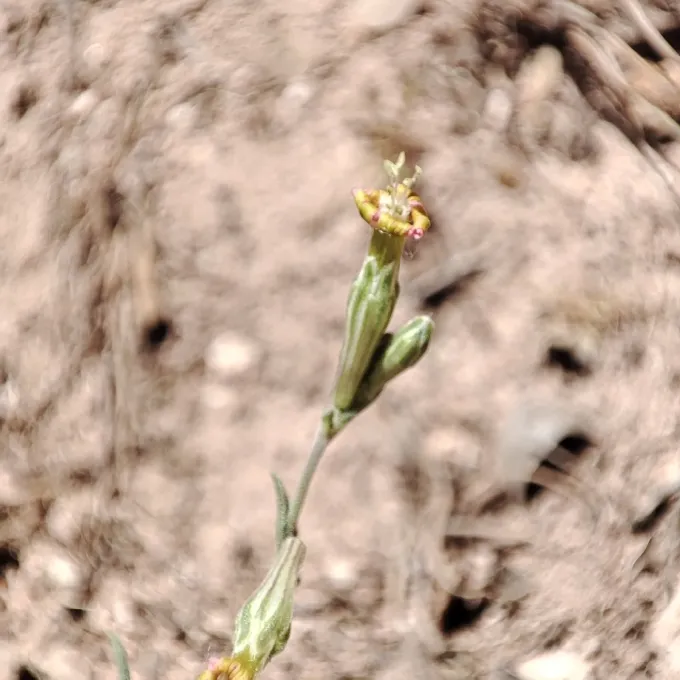
Description
Sowing dates
Silene pomelii is a perennial herbaceous plant belonging to the Caryophyllaceae family. Its natural origin is primarily linked to the arid environments of North Africa and the Mediterranean, where it has adapted to specific climatic conditions.
Sowing in open field conditions should ideally occur in late spring, once soil temperatures consistently reach 12 degrees Celsius. This ensures the seeds have a stable environment to germinate without the risk of frost.
For container-grown starts, seeds are sown indoors in late winter. Utilizing a sterile, well-draining potting mix is essential for the healthy development of seedlings before they are ready for hardening off.
The germination period usually takes between two to three weeks under consistent warmth and light. Providing adequate airflow during the seedling stage is critical to prevent damping-off diseases.
Transplanting into the garden bed requires careful handling of the root ball to minimize transplant shock. Plants should be spaced adequately to ensure that each individual has enough room for vegetative growth.
Growing requirements
This species demands full sun exposure to maintain its compact habit and vibrant flowering characteristics. Planting in shaded areas often results in weak, etiolated stems and significantly reduced blooming.
Well-drained soil is the most crucial requirement for Silene pomelii. It thrives in gritty or sandy substrates that prevent water from accumulating around the root crown, as prolonged moisture can be fatal.
The ideal soil pH for this culture is neutral to slightly alkaline. Incorporating crushed limestone or grit into the planting hole can help create the preferred environment for the plant's root system.
Watering schedules should be kept light and infrequent. The plant is drought-tolerant once established, making it an excellent choice for xeriscaping or rock gardens where soil moisture fluctuates significantly.
Fertilization should be handled with caution, as excessive nutrients can negatively impact the plant's structural integrity. A light application of balanced, slow-release fertilizer in early spring is generally sufficient.
Main diseases and pests
The primary threats to Silene pomelii are fungal pathogens, specifically those triggered by poor drainage or high humidity. Root rot is the most common issue observed when plants are overwatered.
Foliar diseases, such as powdery mildew, may emerge if there is insufficient air circulation between individual plants. Thinning out overcrowded plantings is a simple yet effective preventative measure.
Pest pressure is relatively low for this species, but aphids can occasionally infest new growth during hot, dry spells. Monitoring the undersides of leaves during peak growing season is recommended.
Leaf-eating caterpillars may present a localized problem. Physical removal or the use of targeted biological controls is often enough to protect the plants without resorting to broad-spectrum chemical pesticides.
Sanitation remains the best defense against long-term pest and disease issues. Clearing away dead plant material at the end of the season prevents the overwintering of harmful pathogens and eggs.