
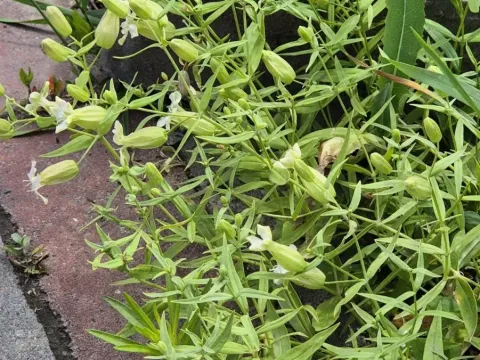
Silene procumbens
Silene procumbens
Silene procumbens is a perennial herbaceous plant belonging to the Caryophyllaceae family. It is characterized by its prostrate or sprawling stems, which allow it to form dense mats across the terrain.
What the section contains
Silene procumbens
Native to steppe and forest-steppe zones of Eurasia, this species is well-adapted to environments with varying humidity levels and significant solar exposure throughout the growing season.
The plant thrives in light-textured soils, including sandy or stony substrates, where it demonstrates high tolerance for nutrient-poor conditions compared to traditional crops.
Proper cultivation requires sites with excellent drainage, as the species is sensitive to waterlogging, which can compromise the health of its root system.
Beyond its botanical interest, the species is valuable for land restoration projects, as its root architecture helps stabilize soil structures and prevents erosion in vulnerable areas.
The main threats to the health of Silene procumbens include fungal pathogens such as rust and leaf spot, which typically appear during extended periods of humid weather.
Insect pests, particularly aphids and certain lepidopteran larvae, can cause significant damage to the plant's vegetative organs if not managed through proper monitoring.
Weed competition represents a major threat during the establishment phase, as the relatively slow initial growth of the plant makes it susceptible to being outcompeted by more aggressive species.
Integrated pest management is recommended, focusing on maintaining field hygiene and utilizing biological controls rather than heavy chemical interventions that could disrupt local pollinators.
Farmers should implement systematic field inspections to detect early signs of infestation and prevent the development of widespread disease outbreaks within the plantation.