
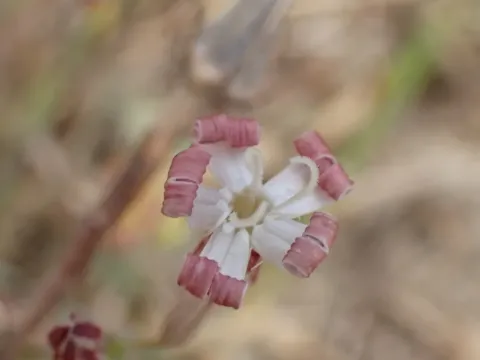
Silene portensis
Silene portensis
Silene portensis is typically propagated by seeds, which can be sown directly into the soil once the danger of frost has passed in the spring. Ensuring the ground is adequately warm, ideally above 12-15 degrees Celsius, promotes quick germination.
What the section contains
Silene portensis
Seeds are small and require a shallow sowing depth, barely covering them with a thin layer of fine soil or vermiculite. Maintaining consistent surface moisture is vital during the germination phase to ensure a successful seedling emergence.
Starting seeds indoors in trays 6 to 8 weeks before the last frost date is an effective strategy for regions with shorter growing seasons. This method allows young plants to establish strong root systems before they are transplanted into the garden.
When transplanting, spacing the plants about 20-25 centimeters apart is recommended to provide sufficient room for development. Proper spacing is essential to ensure adequate airflow around each plant, which is critical for disease prevention.
Thinning out overcrowded seedlings is a necessary task if the seeds were sown densely. Removing weaker specimens early ensures that the remaining plants have access to adequate nutrients and light, promoting a uniform growth pattern.
As a member of the Caryophyllaceae family, Silene portensis thrives in environments that provide plenty of direct sunlight. It is an ideal plant for open garden beds where it can receive at least 6-8 hours of sun daily to bloom effectively.
The plant prefers well-drained, sandy, or light loamy soils. It is sensitive to waterlogged conditions, which can lead to root degradation; therefore, selecting a site with excellent drainage or improving the soil structure is a priority.
While the species is relatively drought-tolerant once established, it requires regular watering during the peak growth season. Keeping the soil moisture consistent, without causing saturation, supports healthy foliage and prolific flowering.
Silene portensis performs best in neutral to slightly alkaline soil conditions. If the site is too acidic, amending the soil with lime or wood ash can help achieve the desired pH balance and improve nutrient uptake efficiency.
Ongoing maintenance involves keeping the area free of weeds, which compete with the plant for resources. Regular soil cultivation between plants helps maintain soil aeration, which in turn benefits the root health of the crop.
The main threats to the health of Silene portensis are fungal infections, such as powdery mildew, especially during periods of high humidity. Proper spacing and avoiding overhead irrigation are the most effective cultural controls for these issues.
Root rot is another significant concern when the soil remains too wet for extended periods. This can be mitigated by ensuring the planting area is properly prepared with drainage materials and by avoiding over-fertilization with nitrogenous products.
Aphids and spider mites are common pests that feed on the sap of the leaves, potentially weakening the plant and causing stunted growth. Early detection through regular monitoring allows for targeted intervention using mild soaps or horticultural oils.
Leaf-chewing caterpillars can cause cosmetic damage to the plant. On a small scale, picking them off by hand is sufficient, whereas larger plantings may require the use of biological control agents to manage the infestation levels.
Maintaining a clean garden environment by removing dead plant material at the end of the season helps reduce the population of overwintering pests and fungal spores. This practice promotes a healthier start for the following planting cycle.