


Reference · Crops
Soapwort
Saponaria L.
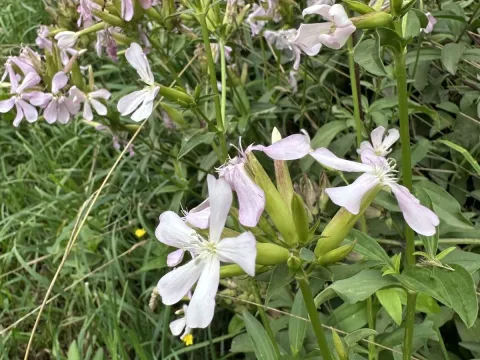
Soapwort (Saponaria officinalis), a member of the Caryophyllaceae family, is typically propagated through direct seeding in open fields during the spring or autumn months.
3
items
What the section contains
Marketplace
Products in this section · 1
Soapwort
For optimal germination, seeds should be sown in well-prepared soil at a depth of approximately 1–2 centimeters, ensuring they are not buried too deeply.
Sowing should ideally occur when soil temperatures reach 10–15 degrees Celsius, which promotes uniform emergence of seedlings across the planting site.
Row spacing is typically kept between 45 and 60 centimeters, allowing for adequate space for the plants to spread and for efficient mechanical weeding.
Vegetative propagation, specifically dividing mature rhizomes, is a popular choice for commercial growers seeking a faster establishment and consistent plant quality.
This crop thrives in well-drained, fertile soil, preferably with a slightly alkaline or neutral pH level to ensure the best development of the root system.
Soapwort requires full sunlight to partial shade, though for high-yield saponin production, planting in sites with maximum sun exposure is strongly recommended.
The plant is highly adaptable to various temperate climates, showing significant frost hardiness, which makes it a resilient crop for colder regions.
Moisture management is critical; while the crop is relatively drought-tolerant once established, consistent soil moisture during early growth phases is essential.
Balanced fertilization, particularly with potassium and phosphorus, supports the growth of thick rhizomes, which are the primary source of commercial saponins.
Excessive soil moisture is the primary cause of root rot, a significant threat that can devastate a Saponaria crop if drainage is not properly managed.
Powdery mildew often attacks the foliage during humid conditions, causing white patches that reduce photosynthetic capacity and overall vigor of the plants.
Pests such as aphids and spider mites can colonize the leaves, weakening the plant and potentially transmitting viruses that lower the total yield.
Implementing a strict weed control program and ensuring good air circulation between rows significantly reduces the prevalence of fungal and pest issues.
Integrated pest management, including the use of targeted biological controls, is preferred over broad-spectrum chemicals to maintain high quality in medicinal harvests.
The harvesting of soapwort rhizomes generally occurs after two to three years of growth, as this is when the concentration of saponins reaches its peak.
The extraction process involves carefully digging up the roots, removing soil and debris, and rinsing them thoroughly in cold water to ensure a clean product.
Drying is a critical step; rhizomes must be processed in well-ventilated areas or specialized dryers at temperatures not exceeding 50 degrees Celsius to prevent degradation.
After the drying process is complete, the roots should be stored in cool, dark, and dry locations to maintain their biochemical integrity for industrial use.
Proper harvest techniques ensure that the plants are sustainable, and selective harvesting allows for the continued production of high-quality raw materials for the cosmetics industry.